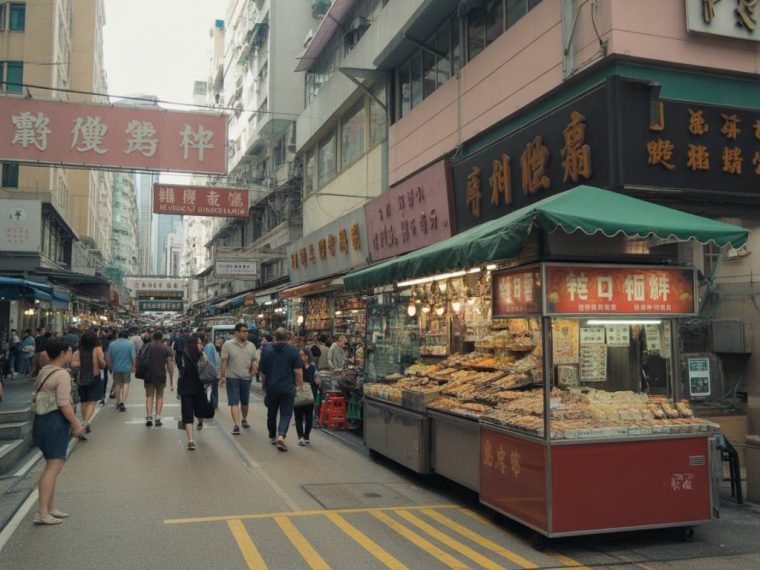
Step off the MTR at Tai Po Market station and the city shifts gear entirely. The polished glass towers of Central feel a world away. Here in Hong Kong’s New Territories, the air carries the scent of sizzling garlic, temple incense, and freshly steamed rice noodles. Tai Po Market is one of those rare urban spots that rewards the curious traveller with something no highlight reel can fully capture — the unfiltered, living pulse of Hong Kong’s everyday culture.
Tai Po Market Hong Kong: Street Food, Shopping and Local Culture at a Glance
Tai Po Market sits in the northeastern New Territories, roughly 40 minutes from Kowloon by East Rail Line. Founded by the Tang clan in the early 17th century, the district evolved into a major trade hub by the late 1800s, driven by its access to the Lam Tsuen River and its position along colonial-era rail routes. Today it blends a working wet market, a thriving street food scene, heritage temples, and independent shops into a single walkable neighbourhood that most tourists overlook entirely — which is precisely the point.
A Brief History Worth Knowing Before You Arrive
Understanding Tai Po’s past makes every alleyway more meaningful. The original market was established by the Tang clan to serve local fishing and farming communities. When the British extended the Kowloon–Canton Railway through the New Territories in 1910, Tai Po became a vital link between rural villages and the wider colony. The old red-brick railway station — now the Hong Kong Railway Museum — still stands as the district’s most photogenic landmark and offers free admission.
Walking the narrow lanes, you’ll notice colonial-era shophouses sitting shoulder-to-shoulder with bright Chinese facades draped in red and gold. This architectural layering is not accidental — it is the physical record of a community that absorbed change without abandoning its roots.
Street Food in Tai Po Market: What to Eat and Where to Look
Street food is the main event in Tai Po. Unlike the tourist-facing food halls of Mong Kok, the stalls here cater overwhelmingly to locals, which keeps quality high and prices low. Most dishes cost between HK$10 and HK$35 (roughly £1–£3.50), and many vendors have been running the same recipes for decades.
Must-Try Dishes
- Cheung Fun (Rice Noodle Rolls): Silky, paper-thin sheets of rice noodle wrapped around prawns or char siu pork, drizzled with hoisin and scattered with toasted sesame seeds. Best eaten fresh, straight off the steamer, before 10 AM.
- Egg Waffles (Gai Daan Jai): A Hong Kong icon — crisp, honeycomb-shaped waffles with a soft, custard-like interior. Look for the stalls near the main covered market entrance for the longest queues and the best versions.
- Cart Noodles: A build-your-own bowl experience. Choose a noodle base — flat rice noodles, thin egg noodles, or thick lai fun — then pile on toppings such as beef brisket, fish balls, braised daikon, or pig’s intestine, all swimming in a deeply spiced broth.
- Stinky Tofu: Fermented, deep-fried, and pungent enough to detect from thirty metres away. The smell is confronting; the taste, once you commit, is complex and surprisingly addictive.
- Tong Sui (Sweet Soup Desserts): Warm bowls of black sesame paste, red bean soup, or papaya with snow fungus — traditional Chinese desserts that double as digestive tonics according to local wisdom.
Where the Locals Actually Eat
The covered wet market on Heung Sze Wui Street is the beating heart of the food scene. Arrive before 9 AM on a weekday and you’ll find vendors setting up alongside aunties selecting live seafood and elderly men nursing cups of pu-erh tea at folding tables. The parallel laneways off Fu Shin Street also hide a handful of dai pai dong — open-air cooked food stalls — that serve generous clay pot rice dishes from around noon onwards.
Shopping in Tai Po Market: Local, Handmade and Far From Generic
Forget duty-free electronics and luxury mall replicas. Tai Po’s shopping offer is built around craft, utility, and tradition. Stalls and small shops along the covered market and surrounding streets stock a range of goods you will struggle to find elsewhere in Hong Kong:
- Dried herbs and traditional medicine: Glass jars filled with goji berries, dried chrysanthemum, ginseng roots, and wolfberries line entire shop fronts. Many owners will advise on combinations for specific ailments if you ask.
- Jade and semi-precious stone jewellery: Small vendors sell jade bangles, pendants, and carved amulets at prices far below those in tourist districts.
- Handwoven baskets and rattan goods: Increasingly rare in Hong Kong, these are made by older craftspeople who learned the trade from their parents.
- Embroidered slippers and cloth shoes: Traditional Cantonese footwear, often made to order, in bold floral patterns.
- Loose-leaf tea: Specialist tea shops offer tasting before purchase — a good opportunity to try Wuyi oolongs or aged pu-erh without buying blind.
The Tai Po Farmers’ Market, held every Saturday and Sunday near Uptown Plaza, adds a contemporary layer to the shopping scene. Local growers sell pesticide-reduced vegetables, free-range eggs, house-made tofu, and artisan preserves. It attracts a younger, sustainability-conscious crowd and is worth factoring into a weekend visit.
Local Culture and Heritage: Temples, Museums and Living Traditions
Tai Po’s cultural depth extends well beyond its market stalls. Two sites in particular anchor the neighbourhood’s spiritual and historical identity.
Man Mo Temple
A short walk from the main market, this Taoist temple is dedicated to Man (the god of literature) and Mo (the god of war) — an unusual pairing that reflects Hong Kong’s pragmatic spirituality. Heavy coils of incense hang from the ceiling, burning slowly for weeks at a time. Students still visit before public examinations, and elderly worshippers light joss sticks in the early morning as they have done for generations. Entry is free and respectful visitors are welcome.
Hong Kong Railway Museum
Housed inside the restored 1913 Tai Po Market Railway Station — a declared monument — the museum traces the history of the Kowloon–Canton Railway with vintage carriages, archival photographs, and period artefacts. It is compact, free to enter, and genuinely interesting even for those with no particular interest in trains. The building itself, with its distinctive green-tiled roof and red brick facade, is among the best-preserved examples of colonial architecture in the New Territories.
Practical Tips for Visiting Tai Po Market
- Getting there: Take the MTR East Rail Line to Tai Po Market station. The main market area is a five-minute walk from Exit A.
- Best time to visit: Weekday mornings between 8 AM and 11 AM offer the freshest produce and the most authentic atmosphere. Weekend afternoons are busier and better for the farmers’ market.
- Budget: A full morning of eating, browsing, and temple-visiting can comfortably cost under HK$150 (approximately £15) per person.
- Payment: Carry cash in small denominations. Many stalls and older shops do not accept Octopus cards or credit cards.
- Photography etiquette: Always ask before photographing vendors, temple visitors, or elderly residents. A smile and a gesture go a long way.
- Language: Cantonese is the primary language. A few key phrases — m̀h gōi (thank you/excuse me) and gei dō chín (how much?) — will earn genuine appreciation.
Why Tai Po Market Belongs on Your Hong Kong Itinerary
Hong Kong is often reduced to its skyline and its shopping malls. Tai Po Market challenges that reduction at every turn. It is a neighbourhood where fishmongers, herbalists, temple caretakers, and egg waffle vendors coexist within a few hundred metres, each one a thread in a social fabric that has been woven over centuries. The flavours are honest, the prices are fair, and the pace is human. For travellers who want to understand what Hong Kong actually feels like beyond the postcards, Tai Po is not an optional detour — it is essential.