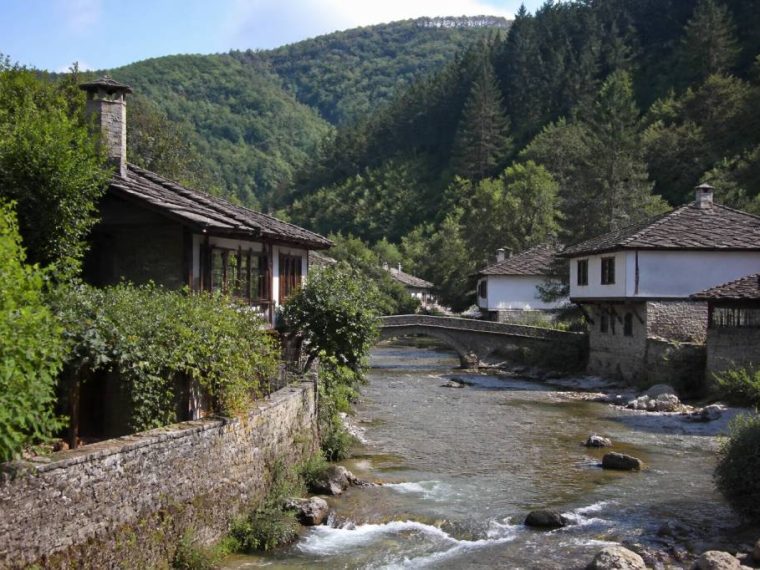
Eastern Europe remains one of the most rewarding regions for slow travel. It offers compact historic towns, generous hospitality, distinctive food traditions, and landscapes that are still shaped by local rhythms rather than mass tourism. For travelers who prefer long walks to rushed itineraries, quiet cafés to crowded attractions, and regional dishes to standardized menus, the region opens up in a particularly satisfying way.
Slow travel works best where distance is manageable and experiences feel layered. In Eastern Europe, that often means moving by train or regional bus, staying several nights in one place, and allowing time for markets, small museums, village roads, and unplanned conversations. The destinations below are especially well suited to that approach. They are not always the most famous. That is part of their appeal.
Why Slow Travel Fits Eastern Europe So Well
Many parts of Eastern Europe were shaped by empires, trade routes, religious diversity, and rural traditions that remain visible in architecture and daily life. As a result, even small towns can offer a rich mix of churches, fortresses, wooden houses, riverside promenades, local crafts, and food rooted in seasonal ingredients. A visitor does not need to move quickly to find variety.
There is also a practical advantage. Distances between major sights are often short enough to make slower travel realistic, yet the pace of life can still feel distinct from more heavily touristed European capitals. That combination encourages longer stays, deeper observation, and a stronger connection to place.
Sibiu, Romania
Sibiu is one of Romania’s most elegant smaller cities, but it still feels approachable and human in scale. Its pastel squares, arched passageways, and red-roof skyline create a setting that invites wandering. The historic center is compact, and that is ideal for travelers who prefer to spend their days on foot.
The city rewards patience. You notice the details gradually: the “eyes” on the rooftops, the quiet courtyards behind heavy doors, the mix of Saxon, Romanian, and Hungarian influences in the food and architecture. A few days here can easily include museum visits, long lunches, and walks through the nearby ASTRA open-air museum, which is one of the best places in the region to understand rural traditions and vernacular building techniques.
Food in Sibiu reflects both local and broader Transylvanian traditions. Try ciorbă, smoked meats, sheep cheese, and baked desserts sold in small bakeries around the old town. The surrounding region is also known for local wines and artisanal products, which makes it a good base for travelers interested in tasting rather than simply sightseeing.
Gjirokastër, Albania
Gjirokastër is often described as a museum city, but that label does not fully capture its atmosphere. It rises from a steep hillside in stone terraces, with Ottoman-era houses, narrow lanes, and dramatic views over the valley below. The town feels lived in, not frozen. That balance makes it especially appealing to travelers who want heritage without the sense of performance that can come with more famous destinations.
The old bazaar area is a natural place to begin, but the real pleasure lies in taking time. Explore the castle slowly. Sit with a coffee in the square. Walk residential streets where laundry hangs between stone facades and everyday life unfolds beside centuries-old architecture. The slower you move, the more the town reveals.
Gjirokastër is also an excellent place to sample southern Albanian food. Expect slow-cooked stews, yogurt, olive oil, mountain herbs, and local cheeses. Traditional dishes such as qifqi, small rice balls flavored with herbs, are closely tied to the town. Nearby countryside routes add another layer, with river valleys, small farms, and simple guesthouses that make longer stays worthwhile.
Český Krumlov’s Lesser-Known Counterpart: Telč, Czech Republic
Český Krumlov is well known, and often crowded. Telč, by comparison, is quieter and better suited to slow travel. Its main square is among the most beautiful in the Czech Republic, lined with Renaissance and Baroque facades that create a carefully balanced streetscape. It is a place to sit, observe, and walk slowly rather than chase attractions.
The town’s compact size makes it easy to explore without a plan. Colorful houses, arcaded walkways, and a castle complex define the center, while nearby ponds and green spaces add a softer landscape than many visitors expect from a heritage town. Telč works especially well as a two- or three-night stop, especially for travelers moving between Prague, Brno, and southern Moravia.
Local food is hearty and seasonal. Czech soups, roasted meats, dumplings, and freshwater fish remain part of the regional table. Pair them with Moravian wine or a local beer, and the pace of the evening naturally slows. That is one of the pleasures of this part of Europe: meals tend to encourage lingering.
Lviv, Ukraine
Lviv is a city of café culture, layered history, and strong culinary identity. Its center has a distinctly European feel, but it also carries a local energy that comes from its universities, artisans, and long tradition of public life. The city is large enough to feel dynamic, yet compact enough for a slow traveler to explore methodically.
Walk without rushing. The old town offers churches, courtyards, hidden passages, and elegant facades, but the real character of Lviv often appears in the smaller details: a bookshop with a creaking staircase, a courtyard café, a bakery offering poppy-seed pastries, or a market stall selling honey and preserves. Museums and churches can fill your mornings, while the afternoons are best left open.
Food is one of Lviv’s strongest assets. You can sample Ukrainian classics alongside inventive café dishes and regional desserts. Cheese, mushrooms, buckwheat, beetroot, and sour cream appear often, but the city also has a refined coffee culture that rewards long pauses. For travelers interested in buying local products, Lviv is a good place to look for ceramics, handmade sweets, tea blends, and culinary souvenirs made by small producers.
Kotor Bay’s Quiet Side: Perast, Montenegro
Perast is often overshadowed by nearby Kotor, but it is one of the most atmospheric small towns on the Adriatic. Set on the edge of the bay and backed by steep mountains, it offers a slower, more intimate experience than many coastal destinations. The town is tiny. That is precisely why it works.
Baroque palaces, stone churches, and a waterfront promenade define the center, while boat trips to the islands in the bay add a sense of movement without the need for hurried sightseeing. Perast is especially pleasant in the early morning and late evening, when day-trippers are absent and the water becomes still.
Food here is shaped by the coast. Expect grilled fish, octopus, local olive oil, shellfish, and simple vegetable dishes. Montenegro’s wine culture is also worth exploring, particularly if you enjoy pairing meals with regional bottles rather than imported labels. This is a place where slow travel and waterfront dining naturally complement one another.
Ruse, Bulgaria
Ruse is one of Bulgaria’s most elegant riverside cities, yet it remains under the radar for many international travelers. Located on the Danube, it has a distinctive urban character shaped by Austro-Hungarian influences, grand facades, and a sense of connection to both river trade and borderland culture. It feels polished, but not overly curated.
The city is ideal for travelers who enjoy architectural walks and unhurried urban exploration. Broad streets, leafy parks, and handsome civic buildings create a setting that is easy to navigate on foot. From Ruse, it is also simple to reach nearby natural and cultural sites, including the rock-hewn churches of Ivanovo and the dramatic landscapes around the Danube plain.
Bulgarian cuisine in this region is satisfying and seasonal. You will find salads, grilled meats, yogurt-based dishes, stews, and pastries filled with cheese or pumpkin. Markets are especially useful if you want to buy local products, including honey, herbal teas, dried herbs, and preserves. For slow travelers, Ruse offers a comfortable mix of city life and regional access.
Why These Places Reward Longer Stays
What unites these destinations is not a single style of attraction, but a shared capacity for depth. They all work better when you stay longer. A second day reveals better bakeries. A third day helps you notice neighborhood rhythms. A fourth day may lead to a village visit, a local market, or an unexpected invitation to try a dish you had not planned to order.
That is the essence of slow travel in Eastern Europe. It is not about doing less for the sake of it. It is about replacing speed with attention. The region offers enough culture, nature, and food to fill several days in each place, while still remaining grounded in everyday life. For travelers seeking meaning rather than checklist tourism, that is a compelling combination.
Practical Tips for a Slow-Travel Itinerary
Choose rail or bus routes where possible, and build in extra time for transfers. Stay in locally run guesthouses or small hotels when available. Visit markets early, when produce is freshest and conversation is easiest. Eat where the menu changes with the season. Leave room in your itinerary for a long walk, a second coffee, and the occasional change of plan.
If you are interested in shopping, focus on items with a clear regional identity. Ceramics, woven textiles, honey, wine, cheese, preserves, and spice blends make practical souvenirs that also support local makers. These products are often easy to carry and meaningful to use after the trip, which extends the travel experience beyond the journey itself.
Eastern Europe’s underrated slow-travel destinations do not ask for speed. They ask for attention. In return, they offer historical texture, strong local flavors, and landscapes that feel more authentic the longer you stay.