Why Slovenia Is a Model for Eco-Responsible Travel
Slovenia has quietly become one of Europe’s most compelling destinations for travelers who care about their footprint. Small in size yet remarkably diverse in landscapes, it offers glacier-fed lakes, sharp Alpine peaks, dense forests and a short but dramatic coastline. What sets it apart is not only the scenery, but the country’s deliberate strategy to prioritize sustainability over mass tourism.
More than half of Slovenia is covered by forest, and around a third of its territory is protected. The national “Slovenia Green” certification program rewards destinations, accommodations and tourism experiences that follow strict environmental and social criteria. For visitors, this means it is comparatively easy to design a trip that supports local communities, favors low-impact transport and limits strain on popular sites.
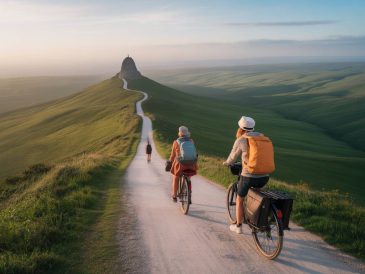
This itinerary focuses on slow, nature-based travel. It links lakes, mountains and traditional villages, using public transport whenever possible and highlighting eco-friendly stays and activities. It is not about rushing from one postcard spot to another, but about staying a little longer, spending a little more locally and leaving a lighter trace.
Practical Foundations for an Eco-Responsible Trip
Before diving into the route itself, a few principles help make your Slovenian journey more sustainable:
- Favor trains and buses: Slovenia’s rail and coach network connects most major hubs. You can reach Ljubljana from neighboring countries by train, then continue to lakes and mountain towns by bus.
- Travel outside peak dates: July and August are the busiest. Late spring and early autumn offer quieter trails, more availability and a softer impact on local infrastructure.
- Choose certified stays: Look for the “Slovenia Green” label, eco-lodges, family-run guesthouses and farms (turistične kmetije) that use local produce and energy-saving measures.
- Pack for low waste: A refillable water bottle, small containers for snacks, a fabric shopping bag and solid toiletries reduce single-use plastic on the road.
- Respect trail etiquette: Stay on marked paths, keep noise low, carry back all your rubbish and avoid disturbing wildlife, especially in sensitive Alpine zones.
Ljubljana: A Green Capital as Your Gateway
Most visitors arrive in Ljubljana, a small capital with a big environmental reputation. The historic center is largely car-free, the riverbanks are pedestrian and bike-friendly, and the city regularly ranks among Europe’s greenest urban destinations. It provides an ideal soft landing before heading into the countryside.
Settle into an eco-conscious guesthouse or a boutique hotel with clear sustainability practices. Many properties have introduced energy-saving systems, waste sorting, local sourcing in their breakfast buffets and partnerships with responsible tour providers. Staying central allows you to explore on foot and avoid taxis altogether.
Spend at least a day discovering the city’s quieter, greener corners:
- Walk or cycle along the Ljubljanica river, watching how locals use the space more like an extended living room than a tourist attraction.
- Visit Tivoli Park, where forested hills rise gently from the city edge, offering easy trails and views.
- Browse the central market, which showcases seasonal produce and small-scale farmers; this is an easy place to support local agriculture directly.
If you are interested in responsible shopping, look for design stores that highlight Slovenian-made ceramics, textiles or natural cosmetics. Ask about origin and production methods; many owners are proud to explain their approach.
Lake Bled and Lake Bohinj: Beyond the Postcard
From Ljubljana, buses run regularly to Lake Bled, Slovenia’s best-known image. The emerald lake, with its small church-topped island and medieval clifftop castle, attracts crowds in high season. A more sustainable way to engage with Bled is to slow down, stay overnight and explore the surroundings instead of just ticking off a quick photo stop.
Choose an accommodation that promotes low-impact activities. Many guesthouses lend bikes, encourage walking tours, and work with local guides rather than large external operators. Avoid motorized lake activities and opt for rowing boats or paddleboards if you want to be on the water.
A simple, eco-friendly day at Bled might include:
- Walking the full circuit around the lake early in the morning, when the path is quiet and birdlife is most active.
- Sampling traditional dishes in a locally owned restaurant that sources from nearby farms rather than global suppliers.
- Taking a bus or bike out of the central area to nearby villages, spreading tourism revenue beyond the lakefront.
To reduce pressure on Bled, consider spending more time at nearby Lake Bohinj. Wilder, less developed and sitting within Triglav National Park, Bohinj offers a calmer experience and direct access to nature. Here, the emphasis is on hiking, swimming in clear waters and discovering small Alpine settlements that still rely heavily on agriculture and forestry.
Staying a few nights in Bohinj enables you to explore trails that start right from the village. Public buses connect different points around the lake and nearby valleys, which makes it possible to leave a car behind or avoid renting one altogether.
Triglav National Park: Hiking with Care in the Julian Alps
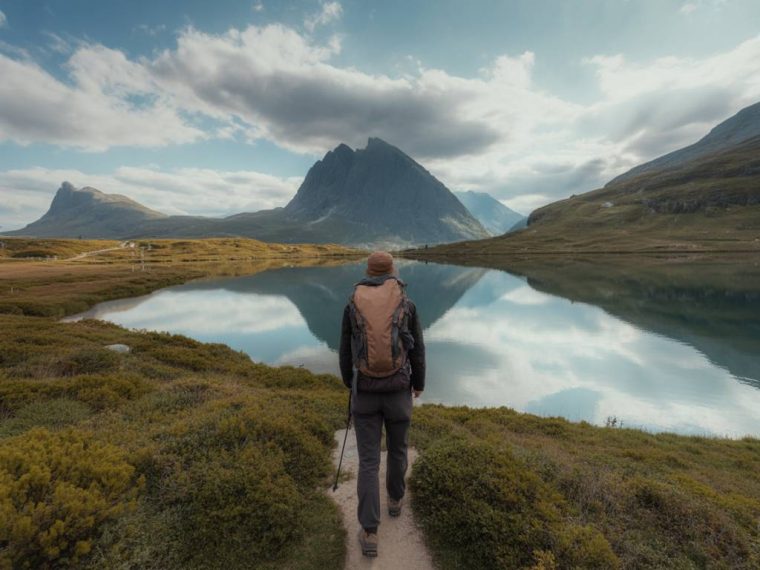
Triglav National Park, named after Slovenia’s highest peak, is the core of the country’s mountain identity. Jagged limestone summits, flower-rich meadows and traditional mountain pastures define the region. It is also a delicate environment, where eco-responsible behavior is crucial.
Whether you are an experienced hiker or prefer gentle valley walks, there is a route suited to your level. Mountain huts, or koče, dot the higher slopes and offer basic lodging for multi-day treks. Many are supplied by helicopter or mule, which makes waste reduction particularly important.
Key guidelines for low-impact hiking in Triglav National Park include:
- Sticking to marked trails to minimize erosion and avoid trampling rare Alpine plants.
- Carrying a reusable bottle and purifying water where appropriate, rather than buying plastic bottles at huts or shops.
- Packing out all rubbish, including food scraps, as decomposition is slow at altitude and wildlife can be affected.
- Respecting quiet hours around huts, as these spaces are shared by families, older walkers and serious mountaineers alike.
For those not attempting the summit, valleys such as the Soča, Vrata or Trenta offer accessible hikes, waterfalls and educational trails. Many interpretive paths explain local geology, flora and cultural history, making it easier to understand how people and landscape have coexisted here for centuries.
Soča Valley: Soft Adventure and Local Food
Descending from the high Alps, the Soča River carves a turquoise path toward the west. Its color, often almost unreal, is the result of glacial minerals and clear mountain sources. The valley has become a center for outdoor sports, from rafting to canyoning, but not all activities are equally gentle on the environment.
Choosing small, local operators who follow river safety guidelines and limit group sizes is central to eco-responsible adventure here. Ask how they manage waste, what kind of equipment they use and how they interact with protected areas. Some companies work closely with local authorities to monitor river health, while others focus mainly on volume; your choice makes a difference.
Beyond adrenaline, the Soča Valley is a prime region for slow food. Traditional dishes based on buckwheat, wild herbs, forest mushrooms and river fish link directly to the surrounding landscapes. Many guesthouses and farm stays serve homegrown vegetables and house-made jams, cheeses and cured meats.
By staying in villages such as Kobarid, Bovec or Tolmin, you can combine soft adventure with gastronomic discoveries. Walking or cycling between viewpoints, war history sites and small farms replaces more polluting forms of transport and invites more frequent, meaningful encounters with residents.
Discovering Sustainable Villages and Farm Stays
One of the most impactful choices you can make in Slovenia is to allocate time and budget to rural communities. The country’s network of tourist farms allows travelers to sleep in restored barns, eat meals prepared from the owners’ fields and orchards, and observe how daily life unfolds away from main tourist corridors.
These stays often provide insight that a city hotel never could. You might learn how hay is still cut and dried on traditional wooden racks, or how beekeeping contributes both to biodiversity and to a cherished honey culture. You may find that breakfast includes eggs collected that morning and herbal teas dried by hand.
Supported properly, rural tourism can keep younger generations in the countryside, maintain cultural landscapes and reduce the need for intensive agriculture or forest exploitation. When searching for options, look for farms that:
- Limit guest numbers and avoid building large, detached complexes.
- Use renewable energy sources such as solar panels or biomass heating.
- Collaborate with neighboring farms rather than compete aggressively on price.
- Offer experiences that respect animals and do not turn them into mere attractions.
By including at least one or two such stops in your itinerary, you redistribute your spending away from already saturated hotspots and into communities that genuinely benefit from small-scale tourism.
Supporting Responsible Products and Experiences
Many travelers like to bring home something tangible from a journey. In Slovenia, an eco-responsible approach to shopping involves privileging items that reflect local materials, skills and traditions. Rather than mass-produced souvenirs made elsewhere, consider:
- Natural cosmetics based on Slovenian herbs, honey or thermal waters, produced by small brands that emphasize minimal packaging and short ingredient lists.
- Handcrafted ceramics and wooden objects created by local artisans, often available in small galleries or regional cooperative shops.
- Food products such as mountain cheeses, pumpkin seed oil, organic wines or herbal teas, ideally sourced directly from producers.
When booking tours or activities, favor operators who are transparent about their environmental practices and who work with certified guides. Walking tours, cycling excursions, guided foraging walks and cultural workshops tend to have relatively low impact, especially when group sizes are small.
Designing Your Own Low-Impact Slovenian Itinerary
Every traveler’s schedule and budget will differ, but a nature-focused, eco-responsible route through Slovenia might span 7 to 12 days. A balanced structure could include:
- Two days in Ljubljana to adapt, explore the green urban fabric and recover from your journey.
- Two to three days between Lake Bled and Lake Bohinj, leaning toward more time in Bohinj if you prefer quieter nature immersion.
- Three days in or around Triglav National Park, combining day hikes with at least one night in a mountain hut.
- Two to three days in the Soča Valley, mixing a carefully chosen adventure activity with slow food experiences and gentle exploration.
- One or more nights on a tourist farm in a lesser-known region, such as the Škofja Loka hills or the Štajerska countryside, depending on your onward route.
Throughout the trip, keep checking in with the same guiding questions: Is there a public or shared transport option I can use? Can I stay longer in one place instead of hopping quickly between several? Am I supporting people and projects that contribute positively to the landscapes I am enjoying?
Slovenia makes it surprisingly simple to answer “yes” to many of these questions. The country’s compact size, strong environmental framework and growing network of committed tourism businesses form an inviting test case for what responsible travel in Europe can look like. By moving slowly between its lakes, mountains and sustainable villages, you participate in that experiment and help ensure the places you visit remain livable for those who call them home.