
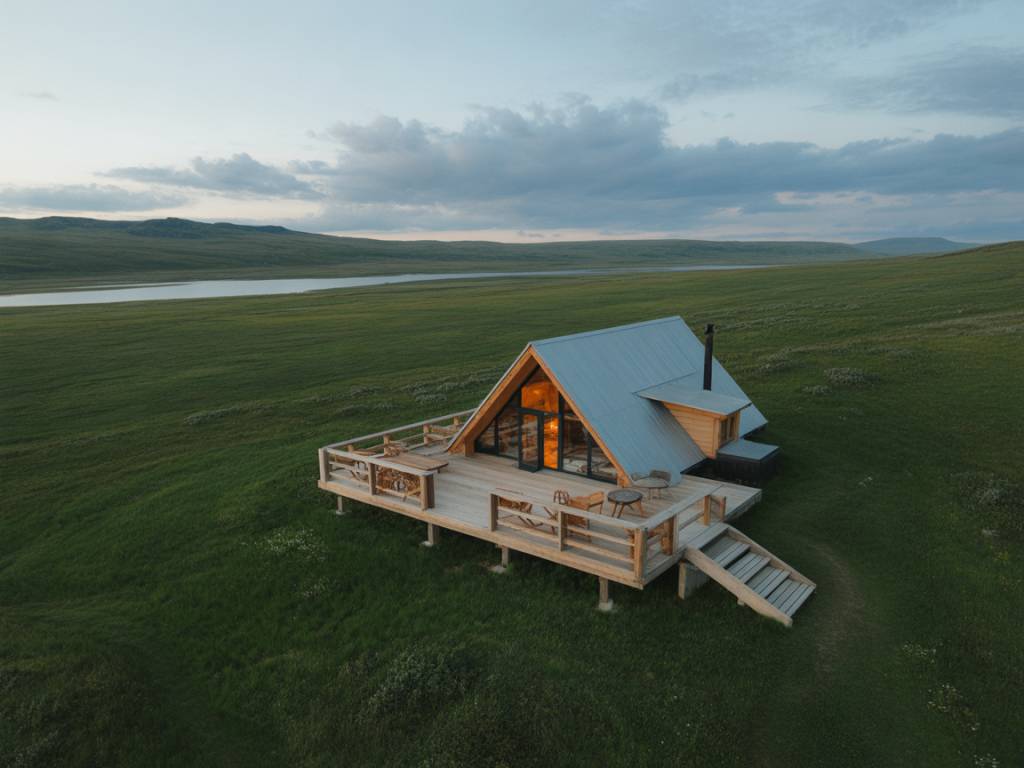
Travellers chasing truly sustainable escapes in Europe are often pointed toward the same headline destinations: Icelandic cabins, Scandinavian design hotels, Alpine spa resorts. Yet away from the well-marketed eco-icons, a quieter revolution is taking place. Across the continent, small, often family-run eco-lodges are rewilding land, experimenting with low-impact architecture and offering guests a deeper relationship with nature. These places are not always easy to find. They don’t shout on social media. They tend to attract people who value silence, time, and a sincere commitment to the environment.
The following eco-lodges are not household names. They rarely appear on “Top 10” lists. But they are worth your attention if you are planning a sustainable nature getaway in Europe and prefer authenticity over spectacle.
Why Choose an Eco-Lodge Over a Conventional Hotel?
The term “eco-lodge” can be vague. It is often used as a marketing label, yet when it is meaningful, it points to a distinct approach to hospitality. An eco-lodge typically aims to minimize environmental impact, integrate with local ecosystems and communities, and offer a slower, more immersive experience in nature.
Key characteristics to look for include:
- Responsible building materials, such as reclaimed wood, stone, or locally sourced natural materials.
- Renewable energy systems (solar, biomass, hydro, or geothermal) and careful energy use.
- Water conservation measures, including rainwater harvesting, greywater recycling, and low-impact wastewater treatment.
- Local, seasonal food sourcing and low-waste kitchen practices.
- Active contributions to local biodiversity, such as reforestation, organic agriculture, and wildlife corridors.
- Fair employment practices and collaboration with nearby communities and artisans.
When you stay at an eco-lodge that lives these principles, your holiday becomes a way to support a different kind of tourism. You are not just booking a bed; you are investing in a small, self-contained ecosystem of ideas, people, and landscapes.
Monte Velho Eco Retreat – Alentejo, Portugal
Alentejo is Portugal’s quiet heartland. It is a region of soft hills, cork oak forests, and big skies that seem to absorb stress. Monte Velho Eco Retreat sits within this scenery, close to the Atlantic coast yet insulated from the crowds. The lodge blends contemporary architecture with traditional Alentejan forms: whitewashed walls, flat roofs, and earthy tones that disappear into the landscape.
Accommodation is spread across suites and simple, elegantly designed rooms. Interiors favour natural materials and muted colours; the idea is to direct attention toward the horizon, not the decor. Wide terraces frame the sunset. Nights are dark enough to showcase a Milky Way that urban residents rarely see.
Monte Velho runs on a mix of solar energy and careful consumption. Water comes from local sources and is used sparingly. Waste is separated, composted where possible, and integrated into the property’s small-scale agriculture. The kitchen relies heavily on organic produce from the region. Extra virgin olive oil, local cheese, vegetables from nearby farms, and seafood from the coast appear on the table in seasonal rotation.
Guests often come for yoga or meditation retreats, but independent travellers are welcome. Days can be filled with:
- Hiking through the surrounding cork oak forests.
- Horse riding on rural trails that cross fields and low hills.
- Surfing lessons on wild Atlantic beaches within driving distance.
- Birdwatching, especially during migration periods.
Monte Velho’s appeal lies in its balance. It offers enough comfort to feel like a treat, yet it keeps the focus firmly on nature and mindful living rather than luxury for its own sake.
Whitepod Eco-Luxury Hotel – Valais, Switzerland
Switzerland is known for polished ski resorts and glittering lakeside hotels. Whitepod, perched on a slope above the Rhône Valley, takes a different path. Instead of a single large building, it consists of geodesic pods scattered along a mountainside, each with panoramic views and a wood-burning stove. The experience feels both futuristic and primitive.
The pods are insulated and designed to reduce energy loss. Heating relies on efficient wood stoves and good thermal performance rather than heavy reliance on fossil fuels. The main lodge, housed in a traditional Alpine structure, powers much of its operations with renewable energy and emphasizes low-impact practices from cleaning to catering.
In winter, guests can ski on private pistes or snowshoe through the forest. The small scale keeps the experience intimate; there are no queues or crowded slopes. In summer, the area transforms into a green playground for hiking and mountain biking. Wildlife is not a marketing promise, but a reality: you may spot chamois, foxes, and a variety of birds without venturing far from your pod.
For travellers interested in responsible winter tourism, Whitepod is a compelling model. It does not pretend that heating, snow grooming, and transport have zero impact. Instead, it acknowledges the footprint of mountain tourism and tries to shrink it with:
- Limited guest numbers and controlled infrastructure.
- Careful waste management and recycling.
- Encouraging low-impact arrival, such as rail travel to nearby Monthey before a short transfer.
It is an option to consider if you want the atmosphere of a mountain lodge without the excesses of large-scale ski resorts.
Casa Valle de Lamas – Trás-os-Montes, Portugal
Far from Portugal’s coastal spotlight, the region of Trás-os-Montes remains sparsely visited. Its valleys, terraced vineyards, and tiny stone villages feel almost suspended in time. Casa Valle de Lamas is a small eco-lodge hidden in this rural landscape, surrounded by organic orchards and vineyards managed with minimal intervention.
The property consists of restored stone buildings that once served as agricultural structures. Thick walls regulate temperature naturally, reducing the need for mechanical cooling. Interiors are simple but refined, featuring reclaimed wood, handmade textiles, and a mix of vintage and custom-made furniture.
Energy comes primarily from solar panels. Water is sourced locally and filtered on-site, with systems in place to reduce waste. Guests are encouraged to refill bottles and avoid single-use plastics. The lodge operates a small permaculture garden that supplies much of its fruit and vegetables. Wine, of course, plays an important role: Casa Valle de Lamas produces natural wines in limited quantities, often served uncorked at long communal tables.
Activities are deliberately slow-paced:
- Guided walks through old terraced vineyards and chestnut forests.
- Workshops on natural wine, organic farming, or traditional bread baking.
- Visits to nearby villages, where local artisans still work leather, wool, and wood by hand.
For travellers interested in agritourism and low-key, food-focused escapes, this lodge offers a chance to understand rural Portugal beyond the tourist brochures.
EcoLodge Lemené – Auvergne, France
Central France is often overlooked in favour of the coast or the Alps. The Auvergne volcanic region, however, holds some of Europe’s most quietly dramatic landscapes. Conical volcanoes, crater lakes, and wide plateaus define the horizon. EcoLodge Lemené sits on the fringe of this terrain, in a patchwork of forest and pasture shaped by centuries of small-scale farming.
The lodge is built using timber from sustainably managed local forests and natural insulation materials such as wood fibre and sheep’s wool. Architecture is modest. The aim is not to impress but to disappear as much as possible into the environment. Large windows open onto the surrounding countryside, acting as living paintings that change with the seasons.
Heating is based on a wood-pellet system with high efficiency and low particulate emissions. Electricity partly comes from solar panels. Rainwater is harvested and used for garden irrigation, while greywater is treated through natural filtration systems. In the kitchen, the owners prioritise organic produce from nearby farmers, often delivered directly to the lodge.
Visitors come here mainly to hike. The lodge is a good base for exploring regional trails, including routes around the Puy de Dôme and the Chaîne des Puys. Other activities include:
- Cycling along quiet country roads and forest tracks.
- Swimming in volcanic crater lakes during summer.
- Participating in seasonal conservation efforts, such as tree planting or habitat restoration days arranged with local associations.
EcoLodge Lemené is particularly suitable for travellers who enjoy self-guided adventures. It offers support, maps, and local knowledge, then steps back and lets guests discover the region at their own pace.
Fjordside Eco-Lodges – Western Norway
Norway’s fjords are no secret, yet many visitors experience them through cruise ships or busy viewpoints. Smaller eco-lodges around less-publicised fjords offer a different rhythm. Fjordside Eco-Lodges, set near one of Western Norway’s quieter inlets, are a good example of how low-impact accommodation can coexist with dramatic landscapes.
These lodges are usually constructed from local timber and designed to be compact, energy-efficient, and resilient in harsh weather. Large glass fronts bring the outside in, but triple glazing helps keep heat loss low. Heating often combines modern heat pumps with wood-burning stoves. Several properties in the region rely on small-scale hydroelectric power, taking advantage of abundant water flows while avoiding massive infrastructure.
Staying here is about elemental experiences:
- Kayaking on calm fjord waters in early morning light.
- Fishing from small boats or simple jetties, with catch-and-release encouraged where appropriate.
- Hiking up steep trails to vantage points with wide views across water and peaks.
- Foraging for berries and mushrooms in late summer and autumn, always within local guidelines.
Hosts tend to be deeply rooted in the region. They can explain seasonal changes in the fjord, from cod migration to bird nesting cycles, and they often collaborate with local environmental groups. For travellers looking to avoid cruise crowds and long coach tours, fjordside eco-lodges offer a more grounded way to meet this landscape.
Practical Tips for Booking Underrated Eco-Lodges
Finding genuinely sustainable eco-lodges that fly under the radar requires a bit more effort than a quick search on a mainstream booking platform. Yet the process can be rewarding in itself. It forces you to think about what you value in a trip and how you want your money to circulate.
Consider these practical steps:
- Research beyond the first page of search results: Look at regional tourism websites, sustainability networks, and local blogs. Many small eco-lodges rely on word of mouth more than advertising.
- Check certifications, but read the details: Labels such as Green Key, EU Ecolabel, or local organic certifications can be helpful, but they are not the whole story. Take time to read each lodge’s own sustainability policy.
- Ask direct questions: Email the property about energy sources, waste practices, and local partnerships. Transparent, detailed answers are usually a good sign.
- Consider travelling off-peak: Visiting in shoulder seasons reduces pressure on local ecosystems and communities, and may give you more time with hosts and guides.
- Align activities with low impact: Choose hiking, cycling, kayaking, or wildlife watching over motorized excursions where possible. Many eco-lodges provide equipment or can recommend responsible local providers.
- Invest in the right gear: Good walking shoes, reusable water bottles, lightweight rain jackets, and compact binoculars can make low-impact stays more comfortable and reduce impulse buying on site.
Underrated eco-lodges are not designed for everyone. They often lack the glossy amenities of large hotels. Nightlife is typically limited to the sound of wind, insects, or waves. Connectivity can be patchy. Yet for travellers willing to trade a bit of convenience for space, silence, and a clearer conscience, these places open a different kind of European journey. One where the best memories may be a morning mist over a valley, the smell of wood smoke at dusk, or a long conversation with a host who decided, years ago, that tourism could be kinder to the land.