Where the Onions Bloom: Discovering Japan’s Onion Island
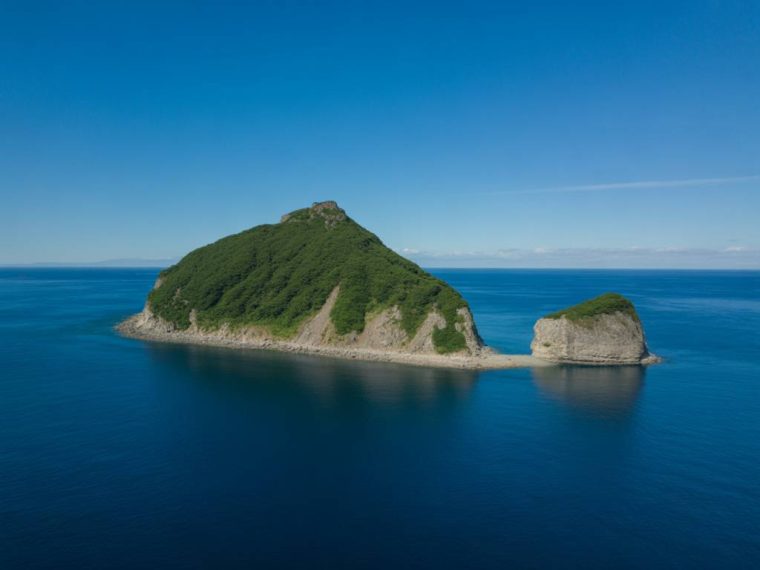
There’s a certain kind of silence that only islands know — a hush softened by sea breezes, interrupted only by the call of seabirds and the rustle of soil being turned by careful, practiced hands. In the Seto Inland Sea of Japan lies such a place, little-known and rarely spoken about in glossy travel guides: Onion Island. Officially called Awaji Island, the locals lovingly refer to it by the humble food that has shaped its identity — the sweet and fragrant Awaji onion.
To call Onion Island merely a food destination would be to miss its heartbeat. Yes, its onions are world-renowned, but its coastal serenity, deep-rooted spirituality, and quiet charm pull you into a slower rhythm — a rhythm where flavors linger longer, and time stretches like golden light at dusk.
A Taste Worth Traveling For
Imagine biting into a raw onion — and smiling. Not wincing, not tearing up, just savoring a pleasant, almost sweet crunch. That’s the magic of the Awaji onion. Cultivated in mineral-rich volcanic soil and nourished by the temperate maritime climate, these onions are among the sweetest and most delicate in Japan. They are so beloved that local farmers have elevated their cultivation to an art form, nurturing each bulb with a craftsman’s patience and reverence.
During my stay, I met Mrs. Takemoto, a third-generation farmer whose hands, crinkled like well-read paper, gently held an onion as if it were something sacred. “You can feel when it’s ready,” she said, holding it up to the light like a jewel. “Not by looking, but by listening to the earth.” Her words weren’t metaphor — she meant it literally.
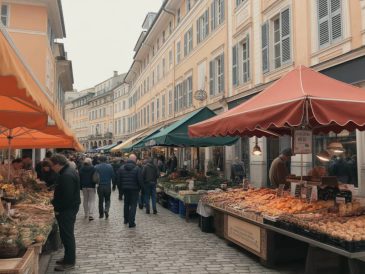
Local cuisine here gives the onion a standing ovation. You’ll find it in translucent tempura, curled into smoky udon soups, lifted by the umami of bonito. Try the famed onion steak, where a thick-cut slice is seared like hearty meat, served sizzling alongside miso-glazed vegetables. And don’t miss the onion ice cream — an oddity that unexpectedly works, with caramelized undertones dancing on your tongue like a surprise encore.
Nature in Gentle Layers
Beyond its culinary allure, Onion Island is a symphony of landscapes: soft hills draped in wildflowers, rice paddies like mirrors reflecting sakura in bloom, and stretches of coastline where the sky and sea whisper secrets to each other. Nature here doesn’t roar; it hums.
The Naruto Strait, at the southern tip, offers swirling whirlpools you can view from the dramatic Onaruto Bridge, a dizzying thrill softened by the sight of fishing boats below, undaunted by the spiraling currents. Prefer your waves gentle? Head westward to Keino Matsubara Beach — a haven of white sand and wind-shaped pine trees, where the sunsets dissolve into a mood of quiet wonder. I watched fishermen return at twilight with their catch, silhouettes softened by the last blush of day.
One morning, I rented a bicycle in Sumoto and traced the trails toward Mount Yuzuruha. The climb is forgiving, and at the summit, a moment of stillness descends. You see the island laid out before you like a folded map—one stitched together by sea, soil, and simplicity.
Spiritual Soil: Temples and Traditions
Awaji is not just the cradle of onions, but of myth. According to Japan’s origin legend in the Kojiki, it was the first island born from the gods Izanagi and Izanami. With such heritage in its bones, it’s no surprise that spirituality permeates the land.
Izanagi Shrine, nestled among ancient cedars, exudes a profound quietness. I wandered barefoot across its worn wooden floor, the air sweet with incense and cypress. Locals still come, bowing twice, clapping softly, speaking wishes in hushed voices. There’s a humility in the way belief is practiced here — less ritual, more conversation.
Elsewhere, small roadside shrines peek through bamboo groves, red torii gates framing moments rather than destinations. They feel like pauses in a poem — necessary, contemplative, and beautifully placed.
Staying Close to the Source
For an authentic experience, eschew the flashy resorts and opt for a family-run minshuku – the Japanese version of a bed-and-breakfast. Mine was perched on a hill overlooking the sea, run by an elderly couple who welcomed me with steaming bowls of miso soup and shy smiles. The tatami room smelled faintly of rice straw and old wood, grounding me in the moment like few places ever have.
I awoke at sunrise to the scent of grilled fish and orange peel. Breakfast was a quiet affair, broken only by the rhythmic hum of cicadas and the clink of chopsticks on porcelain. The couple spoke little English, and I spoke imperfect Japanese, but we understood each other just fine. Hospitality needs no translation when offered from the heart.
Festivals and Folklore
If you time your journey well, the island’s folkloric heartbeat reveals itself in bursts of music, dance, and color. The Awaji Puppet Theatre, a UNESCO intangible cultural heritage site, is a portal into another time. Puppeteers clad in black bring intricately carved dolls to life, retelling ancient love stories and tragic legends with aching poignancy. Their artistry is so complete, you forget the strings ever existed.
In spring, the Onion Festival blooms with the same joy as the crop it honors. There’s laughter in the air, contests to see who can hold the most onions, and stalls serving golden fritters and onion-laced yakisoba. Even children here know there’s pride in their produce. I watched a nine-year-old boy beam as he sold his family’s hand-harvested onions, each braided into rustic bouquets. “They’re sweet like my papa,” he said. My heart melted.
A Hidden Chapter Worth Reading
In a country famed for its neon megacities and cherry blossom postcards, Onion Island is a page not often turned by tourists. And yet, it holds within it a piece of Japan that feels rare — untouched, sincere, and slow in all the right ways. It’s a place where food is grown with love, not haste. Where spirituality is worn like soft linen — close to the skin. Where landscapes don’t scream their beauty, but whisper it gently, if only you choose to listen.
Perhaps what makes Onion Island so unforgettable isn’t just the sweetness of its onions, or the lilt of its coasts. It’s how it seeps quietly beneath your skin, becoming one of those travel memories that hum long after you’re gone — like the faint scent of woodsmoke on a winter coat, or the rhythm of waves still echoing in your pillow dreams.
So, if you’re searching not for another must-see, but for a must-feel — this is it. Onion Island doesn’t shout to be found. But maybe that’s the invitation: to go where fewer have gone, and to taste a story that’s still ripening on the vine.