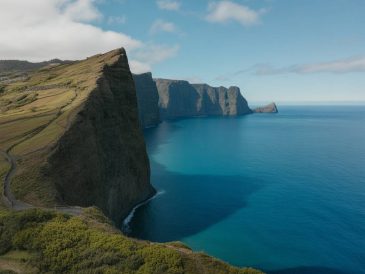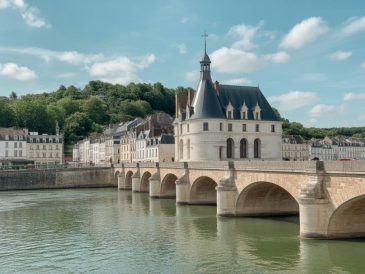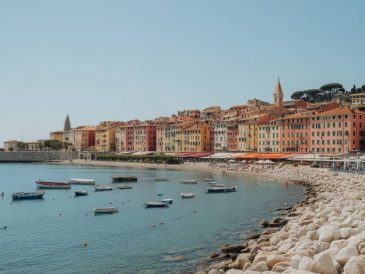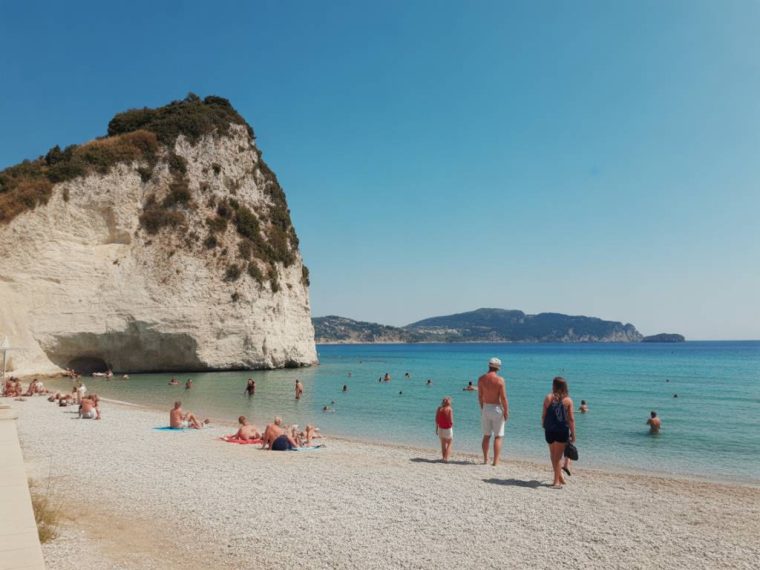
There’s an island in the Ionian Sea where emerald hills stretch down toward crystal bays, where cypress trees sway in the lazy breeze and old Venetian bell towers whisper secrets of centuries past. Corfu isn’t just another Greek island; it’s a tapestry of myth, charm, and Mediterranean ease. Sometimes called the “emerald isle” of Greece, it plays host to sun-kissed memories waiting to be lived. Sea, stories, and souvlaki—what more could a traveler want?
Drift into Dreamy Beaches
The sea here isn’t shy—it glitters with a confidence only the Ionian waters can carry, shifting from turquoise shallows to sapphire depths in the blink of a wave. Whether you’re after quiet solitude or vibrant beach life, Corfu offers coastal miracles to fit every mood.
Glyfada Beach is where golden sands flirt shamelessly with rugged cliffs. It’s popular, yes, but there’s something about the rhythm of the waves here that makes even the busiest afternoon feel meditative. Sink into a sunbed under a parasol, Aperol Spritz in one hand, a page-turner in the other, and let time stretch.
For something more secret, I wandered down an unmarked path near Paleokastritsa to find Rovinia Beach, a hidden cove only accessible by foot or boat. Stark white pebbles, aquamarine shallows, the echo of cicadas pulsing through the pines—this is where I felt like I discovered a corner of the gods’ secret garden. Don’t forget water shoes and a picnic (and if you do, a local fisherman might just offer a crisp slice of watermelon).
Looking for adventure? Canal d’Amour, near Sidari, is surrounded by local legend. They say if you swim through its narrow sandstone channel, you’ll soon meet your true love. I can’t confirm or deny, but the soft erosional sculpture of the rocks shaped by time and tide is enough to woo any heart.
Time-Travel through the Island’s History
History clings gently to Corfu, not in loud declarations but in quiet corners, in the patina of doors and the rhythm of cathedral bells. The island has been Venetian, French, British, and always Greek—each leaving footprints in stone, in customs, in hearts.
Begin your journey in Corfu Town (Kerkyra), a city suspended between epochs. I wandered its pastel-hued alleys early one Sunday, when shutters still slept and the aroma of fresh bougatsa drifted from street-corner bakeries. Venetian elegance envelops the Old Town, a UNESCO World Heritage Site where wrought-iron balconies stretch out like hands offering stories.
The Old Fortress, constructed by the Venetians in the 16th century, peers solemnly out over the sea. Climb to the top for panoramic views that will lock in your memory like a pressed flower between journal pages. And just across town, the New Fortress (ironically only slightly newer), offers not only insight into the island’s strategic past, but discreet cafes tucked under arches where you can sip Greek coffee amid the whispers of history.
If you crave the scent of ancient monasteries and echoes between silent stone, drive northwest to Angelokastro. Perched defiantly on a crag, this Byzantine stronghold seems to hover between sky and wave. I arrived at dawn and watched the light spill across the cliffs, illuminating Corfu in a golden sigh. Worth every twist and turn of the mountain road to get there.
Savour Authentic Flavours
Corfu speaks its own dialect not only in words, but on the tongue. Influenced by Italy more than the typical mainland Greek fare, its gastronomy is a lush journey of spices, sauces, and stories passed down in olive-scented kitchens.
If you try one dish, let it be Pastitsada. This slow-cooked beef or rooster braised in cinnamon-laced tomato sauce melts into a heap of thick pasta. I devoured my first plate in a family-run taverna in Gastouri where the cook—Yaya Eleni—wiped her hands on her apron, winked, and told me it had been her mother’s recipe. Her honour was in the sauce, and perfection, I assure you, was in every bite.
Stroll through the bustling Corfu Market near the New Fortress and you’ll find stall after stall heaving with local olives, kumquats (the island’s golden fruit), and soft cheeses like myzithra. Don’t be surprised if the vendor offers you a spoonful of homemade marmalade and insists you try his mother’s tsitsibira—a fiery Corfiot ginger beer, birthed from the British era but wholly island in spirit.
And let’s not forget the sea bounties. In the village of Benitses, I once shared grilled octopus drizzled with lemon and olive oil, crusty bread, and a bottle of chilled Robola with a fisherman named Nikos. He had the sea in his eyes, stories in his hands, and taught me that food on Corfu isn’t eaten—it’s shared, it’s narrated, it’s felt.
Embrace Slow Days in Storybook Villages
I believe you can judge the soul of a place in the way its old villages breathe. In Corfu, these hamlets are not echoes of the past—they are living embrasures of the island’s rhythm.
Lakones, tucked above Paleokastritsa among olive groves, is more than a postcard. Strolling its flower-lined lanes, I paused to sip mountain tea on a small terrace while a widowed grandmother passed by with a fig basket. Her smile was slow, knowing. “Kali mera,” she whispered, as if gifting me a spell.
Old Perithia, near Mount Pantokrator, is perhaps the island’s most evocative village—a nearly abandoned settlement where ivy reclaims stone facades. Here, five old tavernas keep watch, serving home-style stews and scoops of history. It was late afternoon when I arrived, golden light filming the cobbles, and as goats clicked across the plaza, I felt suspended—somewhere between fairytale and documentary.
For a brush with aristocratic elegance, wander the grounds of Achilleion Palace, the 19th-century home of Empress Elisabeth of Austria. Sculptures of the hero Achilles meet Ionic columns and manicured gardens. Among them, I sat beneath a cypress and watched the clouds rim Mount Pantokrator, musing—which stories would this view have inspired in her?
Connect with Nature, Consciously
Corfu’s charm isn’t manufactured—it’s organic, timeworn, and deeply rooted in nature’s will. For eco-minded travellers, the island offers more than hammocks and hedonism; it invites communion with land and sea under the embrace of sustainability.
Hike through Corfu Trail—a 220-kilometre trek crossing dunes, lagoons, olive groves, and mountain ridges. Not ready to tackle it all? Try the segment from Spartilas to Pantokrator summit. There, amidst thyme-scented air and the fluttering of falcons, I felt something deeper than awe—it was belonging.
Visit Lake Korission, a protected lagoon edged by the wild dunes of Issos Beach. Flamingos sometimes visit, and the silence, broken only by reeds rustling in the brine breeze, is the kind that resets your pace. Consider booking an eco-kayaking tour or supporting agritourism farms that offer olive oil tasting and organic cottage stays. The island is generous—but asks, gently, that we tread lightly.
Let the Island Whisper to You
Corfu is not a destination to be checked off a list. It’s an island that lingers, that sings in minor chords, where beauty is in both the grandeur of fortress walls and in the quiet weight of olive branches.
Fall asleep to the scent of fig trees and the distant echo of church bells. Wake just before sunrise and watch the pink light curl around the mountains of Albania across the straits, hinting at all the stories still to be uncovered.
In Corfu, the line between traveler and local, between guest and friend, blurs. The island doesn’t seek to impress—it simply offers. And in doing so, it leaves its footprints not in the sand, but upon the soul.