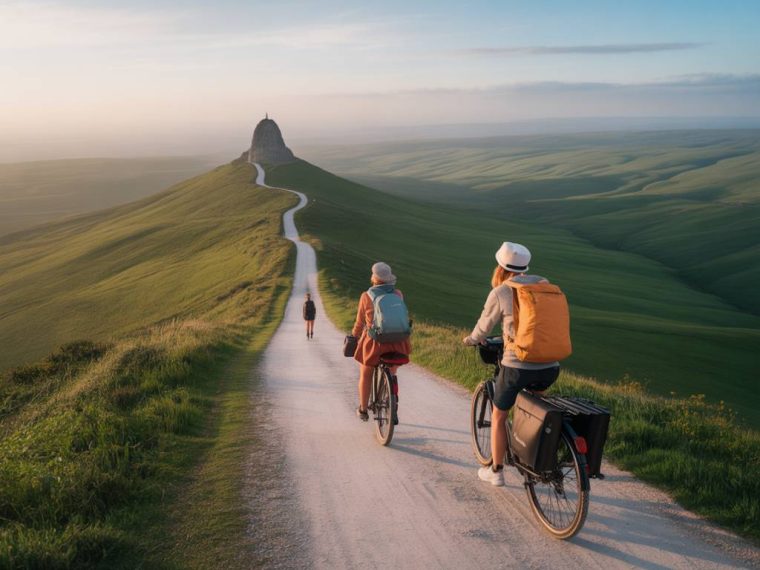
Exploring Europe Sustainably: The Rise of Eco-Cycling Routes
Europe, with its diverse landscapes, rich cultural heritage, and well-developed infrastructure, has rapidly become a haven for cycling enthusiasts seeking sustainable travel experiences. Amid mounting concerns over carbon footprints and the environmental impact of tourism, eco-cycling routes offer a compelling blend of adventure, nature, and responsibility.
Many European countries have seized the opportunity to revamp old railway lines, forest paths, and rural byways into eco-friendly trails perfect for bike tourism. These routes emphasize low impact on the environment, support for local communities, and offer immersive experiences far from traditional tourist zones.
The following routes stand out for their beauty, ecological consideration, and unforgettable landscapes. Whether you’re an avid cyclist planning a long-distance journey or a casual rider looking for serene day rides, these routes showcase the best of Europe’s eco-friendly travel options.
The Danube Cycle Path: Germany to the Black Sea
Perhaps one of the continent’s most iconic bike routes, the Danube Cycle Path (Donauradweg) begins in Germany’s Black Forest and stretches over 2,800 kilometers to the mouth of the Danube in Romania. This trans-European route threads through ten countries, offering riders a cross-section of Central Europe’s natural and cultural diversity.
The most popular segment, from Passau to Vienna, is well-suited for riders of all ages and skill levels. Paved paths, gentle gradients, and regular signage make navigation simple. What makes this route particularly eco-conscious is its integration with local communities. Family-run guesthouses, organic farms, and village markets line the trail, encouraging genuine engagement with regional producers and reducing the need for long-distance transport.
Highlights along the route include:
- The Wachau Valley’s terraced vineyards and apricot orchards
- The baroque Benedictine monastery at Melk
- Vienna’s bike-friendly boulevards and lush public parks
La Loire à Vélo: A Greenway through the Garden of France
At just over 900 kilometers, the Loire à Vélo offers a quintessential eco-tourism experience in western France. This dedicated cycle route follows the Loire River from Cuffy near Nevers to the Atlantic coast at Saint-Brévin-les-Pins. Fit for families and solo adventurers alike, this journey runs parallel to one of France’s last untamed rivers and passes through the country’s UNESCO-listed Loire Valley.
The route is a masterclass in sustainable tourism. Many of the châteaux open to cyclists implement green waste programs, and bike-friendly labels help travelers identify accommodations with strong ecological practices. Bicycle rentals are available at most major towns along the trail, reducing the need to transport one’s bike across long distances.
Expect to meander past sunflower-studded fields, renaissance castles, and timeworn villages. The longer you stay off-grid in this region, the more you’ll appreciate the slower, more personal pace of eco-friendly travel.
Via Claudio Augusta: A Ride Through History and Nature
Originally an ancient Roman road connecting northern Italy to the Danube, the Via Claudia Augusta has been transformed into a scenic bike route stretching from Donauwörth in Germany to Venice. As a route with both historical and ecological dimensions, it serves as a prime example of repurposing ancient infrastructures for low-impact tourism today.
Covering over 700 kilometers, this route features a remarkable diversity of landscapes — from the Alpine valleys of Tyrol to the olive groves and vineyards of the Veneto region. Many sections have been adapted with eco-conscious materials and signed in multiple languages to ensure accessibility without disrupting local wildlife corridors or natural aesthetics.
Riders can enjoy:
- The Lech River bike path with birdwatching spots
- Historic Roman inns preserved as cyclist-stop cafes
- Sustainable agritourism farms offering local and organic meals
The Algarve’s Ecovia do Litoral: Coastal Bliss on Two Wheels
Often overlooked in favor of Portugal’s inland trails, the Ecovia do Litoral is a 214-kilometer coastal bike route stretching from Vila Real de Santo António in the east to Cape St. Vincent in the west. This trail is part of the EuroVelo 1 Atlantic Coast Route and exemplifies sustainable travel through protected wetlands, blue-flag beaches, and local fishing villages.
While the Algarve is known for its scenic cliffs and sunny beaches, the Ecovia offers a refreshing alternative to crowded resorts, taking riders through ecologically sensitive zones like the Ria Formosa Natural Park. Here, cyclists have the opportunity to spot flamingos and rare migratory birds, while supporting local eco-lodges and seafood cooperatives.
Riders also benefit from clearly marked signage, rest stops with recyclable waste stations, and easily accessible train connections, which allow for flexible travel plans without needing a vehicle.
Green Velo Trail: Poland’s Hidden Gem
Stretching over 2,000 kilometers through eastern Poland, the Green Velo Trail is the country’s longest marked cycling route and a treasure trove of sustainable tourism. Unlike more commercialized European cycle trails, Green Velo promotes under-visited regions like Podlasie, Warmia, and the Bieszczady Mountains — areas where time seems to have paused in favor of tradition and tranquility.
The route was developed with close cooperation between regional governments and ecological NGOs. The result is a chain of cyclist service areas (MORs) designed to harmonize with the natural landscape, provide resting spots, and foster community interaction. Locally sourced materials were used in their construction, and many areas include information boards about local flora and fauna.
Points of interest include:
- The Biebrza National Park, known for its peat bogs and moose population
- Wooden Orthodox churches and old synagogues in Lublin province
- Family-run accommodations supporting sustainable agriculture and crafts
EuroVelo 6: The Rivers Route Across Europe
Dubbed “the rivers route,” EuroVelo 6 is one of the most traveled of all the EuroVelo routes. Spanning over 4,400 kilometers from the Atlantic coast in France to the Black Sea in Romania, it follows the courses of Europe’s largest rivers: the Loire, the Rhine, and the Danube.
What sets this route apart is its seamless linkage of natural parks, cultural landmarks, and sustainable transportation options. Many cities along the path have integrated advanced bike-sharing schemes, green hotels, and urban gardens into their tourism infrastructure. It’s not just about getting from one point to another — it’s about experiencing how old Europe harmonizes with a modern, ecological ethos.
From the vineyards of Burgundy to the dramatic gorges of the Iron Gates in Serbia, this route offers a grand eco-tourism narrative that promotes cross-border understanding as well as environmental responsibility.
The Future of Cycling and Sustainable Travel
As Europe continues to push for greener alternatives in mobility and tourism, cycling emerges as both a symbol and tool of this transformation. Governments are incentivizing slow travel, while local businesses are discovering the benefits of embracing a cyclist-friendly orientation. The value of these routes goes beyond aesthetics or convenience: they educate, inspire, and preserve.
Whether pedaling through a shaded woodland in Poland or cresting a vineyard-laced hillside in France, today’s bike traveler is not merely a tourist — they are a participant in a growing movement toward more conscious, connected, and respectful travel.
Before embarking on these eco-cycling adventures, it’s essential to plan appropriately. Choosing the right bicycle — often an e-bike for longer distances or gravel bikes for mixed terrain — makes a significant difference. Travelers are also encouraged to support local economies by purchasing regional produce, staying at eco-certified accommodations, and traveling during off-peak seasons to reduce environmental stress on visited areas.
Europe’s eco-tourism trails are more than just scenic byways; they are pathways to a more sustainable future. Each ride offers the opportunity to experience not only the beauty of nature but also the resilience and creativity of those who live in harmony with it.