
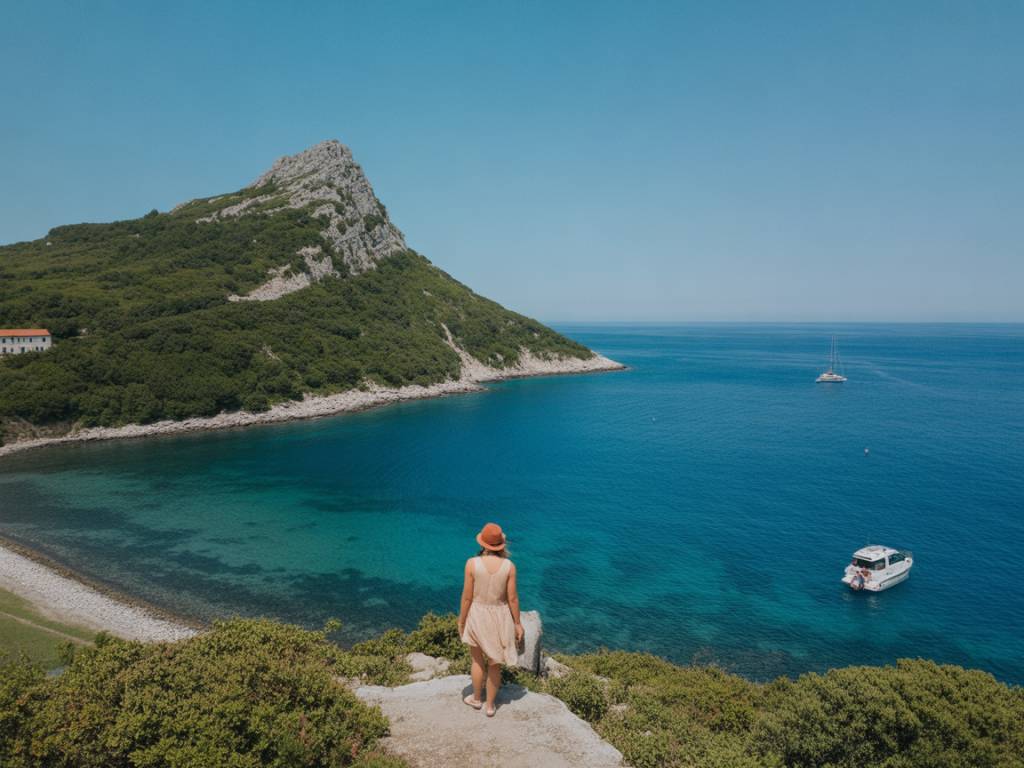
Why Car-Free Islands Make Perfect Slow-Travel Escapes
Across Europe, a quiet shift is taking place. More travelers are swapping packed itineraries and rental cars for slower journeys, smaller islands, and simpler rhythms of daily life. Car-free or low-car islands are at the heart of this movement. They invite you to slow your pace, listen more carefully, and notice details that would otherwise blur past the windshield.
On these islands, traffic noise is replaced by the crunch of gravel underfoot, the hum of a bicycle, or the gentle putter of an electric shuttle. Distances are short. Time feels elastic. Days stretch out in walks, swims, and unhurried meals rather than in queues and commutes. For eco-conscious travelers, this shift is not only pleasant. It’s also a powerful way to reduce emissions while directly supporting communities that are experimenting with greener ways of living.
Below are some of Europe’s lesser-known islands that embrace a car-free or low-traffic ethos. Each is accessible without flying if you are willing to be patient, link trains and ferries, and treat the journey as part of the experience.
Hydra, Greece: A Marble-Port Island Without Engines
Hydra sits in the Saronic Gulf, just a few hours by ferry from Athens, yet it feels worlds away from the capital’s restless energy. The first shock upon arrival is the silence. No cars. No motorbikes. Only the clatter of hooves as donkeys haul supplies up steep lanes and the soft murmur of voices around the horseshoe-shaped harbor.
The entire main town is a vertical maze of stone houses, steps, and narrow alleys that force you to slow down. You walk everywhere, and you feel it in your legs. Many visitors stay near the waterfront, but Hydra rewards those who wander inland. Climb up to the old windmills. Drift through quiet residential districts where bougainvillea falls in bright cascades over whitewashed walls. Watch the afternoon light slide across the amphitheater of houses.
Hydra is not a hidden island in the strict sense, but its car-free character still catches people by surprise. It changes your habits. You pack lighter because you must carry your bag or hire a mule. You plan your shopping, knowing that everything must be hand-delivered to hotels and homes. The absence of engines makes every sound sharper and every scent more noticeable, from pine resin to the salt drying on your skin after a swim.
For eco-minded travelers, the journey to Hydra can be done by rail and sea. International trains link easily to Athens, and from Piraeus port several ferries a day make the short hop to the island. A sturdy daypack, a reusable water bottle, and lightweight walking shoes are more useful here than any GPS app or car key.
Lopud, Croatia: A Garden Island in the Adriatic
Northwest of Dubrovnik lies Lopud, one of Croatia’s Elaphiti Islands, where cars are banned and the pace of life drops instantly. The ferry arrives at a small promenade lined with stone houses, palm trees, and a gentle row of cafés. There is only one village, one bay, and one main path that slices across the island.
Here, walking is not an activity. It is how you live on the island. A shaded trail leads from the harbor through terraced gardens, remnants of aristocratic summer estates, and pockets of forest to Šunj Beach on the island’s southern side. The sand here is a rarity in Croatia, making it a favorite of families and anyone who prefers a soft seabed to sharp pebbles.
Because there are no cars, the logistics of everyday life rely on handcarts and small electric vehicles used mainly for essential services. As a visitor, you carry your own luggage from the pier to your accommodation. Distances are short but the ritual is significant. It marks the transition from hurried mainland habits to island time.
Slow travelers often base themselves on Lopud for a week or more. From here, it is easy to organize low-impact experiences: guided sea-kayak trips between the Elaphiti Islands, hikes at dawn or dusk to avoid the heat, and simple picnics built from local fruit, bread, olives, and cheese. If you are shopping before departure, lightweight dry bags, reef-safe sunscreen, and packable beach towels are particularly useful; they keep your footprint light while allowing you to spend most of your day outdoors.
Isles of Scilly, England: Tiny Lanes and Tidal Rhythms
Off the southwestern tip of Cornwall, the Isles of Scilly scatter like a small archipelago of gardens floating in the Atlantic. Cars exist here, but they are few, and most visitors move on foot, by bike, or by boat. On some of the smaller inhabited islands, like St. Martin’s and Bryher, it is rare to see any vehicle at all.
Arriving is part of the adventure. Many travelers reach the Scillies by train or coach to Penzance, then transfer to a ferry that crosses often choppy waters. Others take small planes or helicopters from the mainland, though those looking to minimize emissions tend to favor sea and rail. Once settled on the islands, the distances shrink. You can walk across tiny Bryher in under an hour, yet its coves, heather-covered hills, and changeable skies invite long, meandering days outside.
On St. Mary’s, the largest island, a network of narrow lanes and coastal paths loops around fields, beaches, and low cliffs. Bicycles are a popular way to explore, but walkers are never far from a café, a farm stand, or a sheltered bay. Inter-island boats run daily in season, creating a gentle rhythm to life. You check the chalkboard in the morning, decide whether you feel like shell beaches, wildflower meadows, or a quiet pub garden, then step aboard.
Visitors who enjoy practical preparation often travel with waterproof layers, compact binoculars for bird and seal watching, and foldable tote bags for buying local produce or artisan goods. The islands’ small-scale economy depends heavily on these kinds of mindful purchases, from bakery bread to flower farm bouquets.
Porquerolles, France: A Mediterranean National Park by Bicycle
Just off the Côte d’Azur, Porquerolles forms part of the Îles d’Hyères and the Port-Cros National Park. Private cars are not allowed for visitors, giving the island a distinct atmosphere despite its proximity to the busy mainland. The harbor is small, the village compact, and beyond it lies a lattice of cycling and walking trails that thread through vineyards, pine forest, and scrubland.
Porquerolles is a place of contrasts. In high season, day-trippers swarm the village and the nearest beaches. Yet step a little further, and the crowds thin quickly. Long, looping routes lead to remote coves and cliff-top viewpoints where you might only share the landscape with cicadas and seabirds. Bicycles—often rented at the quay—become your main mode of transport. The simple act of pedaling between beach and village changes the scale of your day. You cover more ground than on foot but remain closely connected to the island’s textures and scents.
For an eco-focused stay, aim for shoulder seasons in spring or autumn, when temperatures are softer and ferry schedules remain frequent. Arrive by train to Toulon or Hyères, take a bus or taxi to the pier, then cross by boat. Reusable picnic containers, a compact beach umbrella, and a good-quality pannier or daypack make it easier to avoid disposable plastics and carry your essentials comfortably.
Ærø, Denmark: A Baltic Island with Bikes and Buses
In the South Funen Archipelago of Denmark, Ærø offers a gentle, lived-in version of slow island travel. Cars are allowed, but the compact size of the island, its strong cycling culture, and an efficient bus system make driving unnecessary for most visitors. Ferries from Svendborg and Fynshav link the island to the mainland, and both towns are reachable by train from Copenhagen and other European cities.
Ærø’s charm lies in its everyday details. Cobblestone streets. Colorful townhouses. Small harbors where wooden boats creak softly against the docks. Three main settlements—Ærøskøbing, Marstal, and Søby—anchor the island, each with distinct character but all easily reachable by public bus or bicycle. Cyclists follow quiet country roads past patchwork fields, wind turbines, and coastal viewpoints where the Baltic seems to fold into itself.
The island actively promotes sustainable tourism. Many accommodations offer bike rentals, electric charging points, and local breakfasts. A car-free or low-car visit feels natural here rather than forced. You might combine a few relaxed days on Ærø with a broader train-and-ferry itinerary across Denmark, using lightweight luggage, layered clothing, and a good rain jacket to stay flexible in the changeable northern weather.
Travelers interested in planning tools often invest in regional rail passes, waterproof handlebar bags, and compact power banks. These items make it easier to rely on digital timetables, navigate unfamiliar roads, and keep devices charged without needing car sockets or constant indoor stops.
Planning Your Car-Free Island Escape
Choosing a car-free or low-car island trip in Europe does require more preparation, but the rewards often outweigh the effort. Instead of focusing on driving distances and parking, you think in terms of ferries, walking times, and the simple joy of being outside. To make the shift smoother, it helps to plan both your journey and your gear with care.
Some practical considerations include:
- Travel light: Opt for a backpack or soft-sided rolling bag you can comfortably carry over cobblestones, steps, and docks.
- Combine rail and sea: Look for long-distance trains that link to ferry ports, and consider rail passes if you plan to visit several regions.
- Choose versatile clothing: Pack layers that work for walking, dining out, and variable weather, rather than single-purpose outfits.
- Invest in walking comfort: Good shoes, breathable socks, and perhaps lightweight trekking poles if you plan serious hikes.
- Reduce waste: Bring refillable bottles, compact food containers, and a set of reusable cutlery to limit single-use plastics on islands with limited waste infrastructure.
- Plan around ferry schedules: Island time is shaped by boat timetables. Build buffer days and remain flexible to tides and weather.
Many travelers find that a few carefully chosen products—a durable daypack, quality footwear, simple rain protection, and eco-friendly toiletries—do more to enhance their trip than any car rental ever could. They free you to move easily, to say yes to spontaneous walks or bike rides, and to stay comfortable in changing conditions.
What binds these hidden and semi-hidden islands together is not just the absence or scarcity of cars. It is the presence of something else: time that stretches rather than rushes, a more intimate connection with the elements, and an awareness of your own pace as you cross each small piece of land under your own power. For many visitors, that is the most lasting souvenir of all.