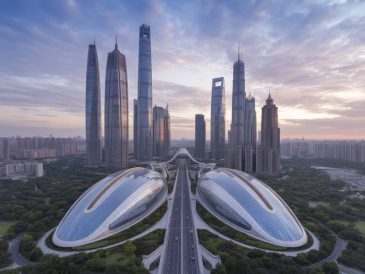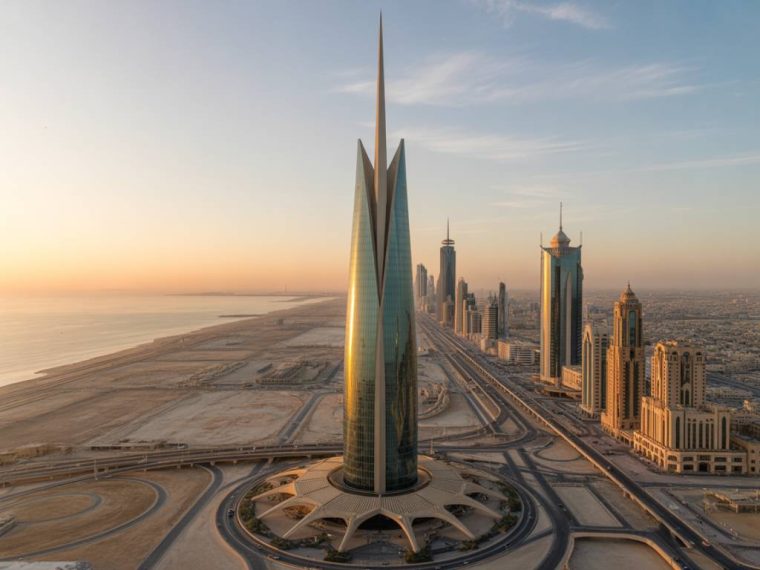
It rises like a mirage from the Kuwaiti desert—a crystal shard piercing the sky, poised between earth and ether. Burj Mubarak Al-Kabir, still wrapped in scaffolding and dreams, already casts a long silhouette across the shores of the Arabian Gulf. When completed, it will not only redefine Kuwait’s skyline, but also etch a new chapter in the story of human ambition and architectural poetry. But beyond its staggering height lies a tapestry woven with heritage, vision, and a whisper of future memories waiting to unfold.
An Ambition As Tall As The Sky
The Burj Mubarak Al-Kabir isn’t just another skyscraper aiming to claw past the clouds—it’s an emblem of Kuwait’s evolving identity. At an awe-inducing 1,001 meters tall—yes, exactly the number of tales in One Thousand and One Nights—this tower is a deliberate homage to the region’s storytelling tradition. And isn’t there a quiet, beautiful symmetry in turning tales of djinns and flying carpets into steel, glass, and innovation?
Symbolism aside, this architectural marvel will stand as the centerpiece of the ambitious Madinat Al-Hareer (City of Silk) project, which seeks to transform northern Kuwait into a hub of economic, cultural, and ecological significance. While the tower itself is still under construction, it has already begun to stir the imagination of travelers, architects, and dreamers across the globe.
The Legacy Behind the Name
Names matter. They carry weight, anchor dreams. “Burj Mubarak Al-Kabir” honors Sheikh Mubarak Al-Sabah, known as the “father of modern Kuwait.” In naming the tower after him, Kuwait acknowledges not only a figure from its past, but a vision of leadership that looked beyond borders and barriers.
As Sheikh Mubarak steered Kuwait toward diplomatic savvy in a time of change, his namesake tower now sails forward with its own tide of transformation. Like a lighthouse, it beckons a new era—where tradition dances with technology, and where stories are no longer just told, but built.
The Experience: More Than Just a View
What will it feel like to stand at the top of this architectural sentinel, with the Gulf stretching out like a silver veil beneath you?
From what’s planned, visitors to Burj Mubarak Al-Kabir won’t just leave with panoramic shots for their Instagram reels. The tower will offer:
- Observation decks soaring above the clouds, where desert haze and city lights merge into surreal horizons.
- Luxury hotels promising a sliver of sky as your window view—and perhaps a sunrise or two to remember forever.
- Upscale restaurants and sky lounges where local flavors meet global finesse, a perfect setting for toasting to the improbable.
- Spaces for business, culture, and exploration interwoven across its many levels—a vertical city of wonder and connection.
And somewhere in between sky and sand, the line between tourism and pilgrimage blurs. You’re not just visiting a building; you’re part of a story in architectural motion.
Sustainability in the Sands
In a region often (and unfairly) caricatured as oil-addled and opulent, projects like Burj Mubarak Al-Kabir offer a different narrative—one that whispers of innovation, balance, and eco-conscious reinvention.
Kuwait’s Silk City plan, of which the Burj is the shining star, integrates green urban planning. Think smart irrigation, renewable energy systems, and walkable spaces that consider human and environmental needs alike. The tower itself is envisioned with sustainability in mind: advanced cooling tech, energy-efficient glass, and integrated renewables will help reduce its footprint, even as it steps taller and taller into the sky.
To see such foresight in the midst of expansion feels both comforting and alluring. A city that looks ahead while staying rooted—that’s a journey worth witnessing.
How It Fits Into Kuwait’s Cultural Mosaic
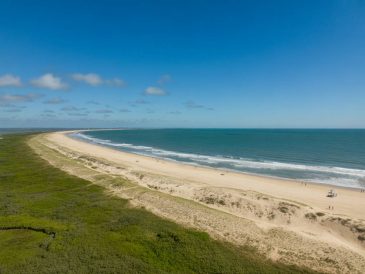
Kuwait often plays second fiddle to more tourist-saturated neighbors like the UAE or Qatar, yet it harbors a quiet, compelling soul. You feel it in the warmth of a shopkeeper’s greeting at Souq Al-Mubarakiya, in the rhythmic sway of fishing dhows off the coast, or in the textured silence of the desert at dusk.
Burj Mubarak Al-Kabir doesn’t overshadow this fabric—it enhances it. It speaks not only to global ambition but also to a regional pride steeped in poetic nostalgia. A tower inspired by ancient tales, housing minds of modern genius, grounded in a land that has watched empires rise and fall through wind-beaten dunes.
A Stop on the Curious Traveler’s Map
While the tower is still under construction, that shouldn’t stop you from experiencing the heartbeat of the region. Here’s how to make the most of a visit to Kuwait, with an eye toward where the future is literally rising:
- Explore Historical Kuwait: Visit the Tareq Rajab Museum or the Sadu House to trace the country’s artistic and Bedouin heritage.
- Head to Subiyah: Even if you can’t access the tower itself, the surrounding development site is a glimpse into tomorrow. Just the silhouette of the rising structure at sunset is something to behold.
- Taste the Unexpected: Dive into Machboos (a spiced rice and meat dish), or sip Qahwa (Arabic coffee) with dates under a fringe of stars. Food in Kuwait is not fuel—it’s ceremony.
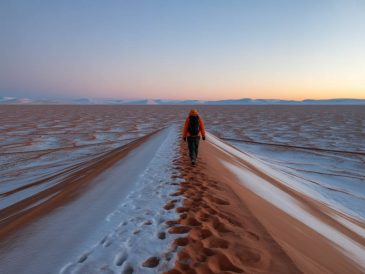
- Feel the Stillness of the Desert: Beyond the city, sands stretch into a silence that speaks volumes. Nights here are celestial concerts—an antidote to the vertical chaos of urban sprawl.
Kuwait, with its gleaming future rising over age-old sands, invites travelers who crave both solace and spectacle.
When A Tower Becomes A Time Capsule
Most skyscrapers are content being icons of economic might or architectural muscle. But Burj Mubarak Al-Kabir? It seems destined for more. With its narrative DNA and cultural consciousness, it approaches the sublime—that rare space where structure meets soul.
As with all journeys, anticipation is half the joy. And though the tower is not yet complete, its story is already unfolding like parchment in the wind. Soon, travelers will speak of the day they were first cradled in its shadow. They’ll swap stories of mirrored sunrises from glassy heights, of a city that once slept and then dreamt bigger.
You may not touch the clouds from there—not literally. But perhaps you’ll touch something far more elusive: the poetry of aspiration, written in steel and sky.