
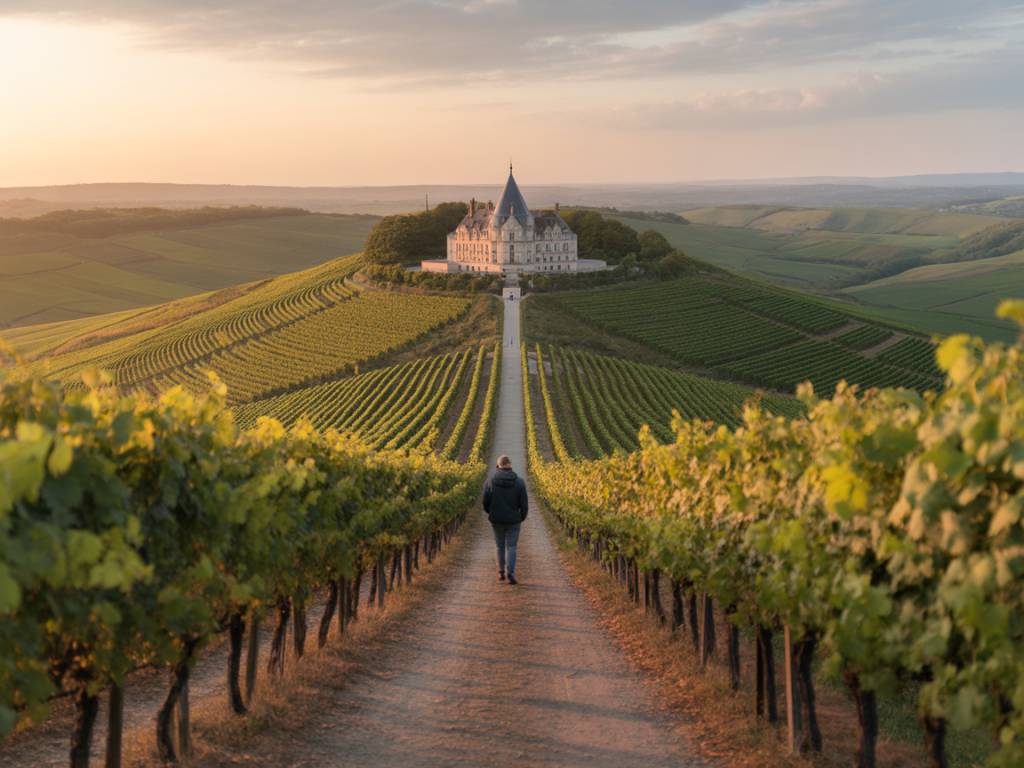
The Allure of Champagne: A Landscape Bathed in Elegance
There’s something undeniably celestial about the Champagne region in northeastern France. Perhaps it’s the golden light spilling over endless rows of vines, or the hush of ancient cellars whispering secrets through limestone corridors. For the curious traveler with a passion for wine and a heart inclined to wander, Champagne is not just a destination—it’s a sensation, as effervescent and nuanced as the wine it’s famed for. But to fully experience this region in all its fizzy splendor, timing is everything.
What Makes Champagne So Special?
Champagne isn’t just where sparkling wine is made—it is the only place allowed to call its bubbly Champagne. Nestled between Paris and Lorraine, the region’s unique terroir, chalky soil, and cool climate create the perfect environment for cultivating Chardonnay, Pinot Noir, and Pinot Meunier grapes. But beyond the bottle, it’s a mosaic of sleepy villages, ivy-draped châteaux, and quiet country roads that curve through rolling vineyards.
And then there’s the people. The winemakers you meet—many from families who’ve tended the same parcels of land for generations—greet you with a dusty bottle, a knowing glint in the eye, and stories that taste like time itself.
When to Visit Champagne: A Season-by-Season Guide
Truth be told, there is no single “best” time to visit Champagne. Each season unfurls a different charm, like uncorking a bottle with ever-changing notes. Yet depending on what you’re seeking—idyllic drives, grape harvest excitement, cellar exploration, or tranquil solitude—some months offer more sparkle than others.
Spring (April – May): Budding Beginnings and Gentle Landscapes
As buds begin to swell on the vines and wildflowers awaken across the countryside, spring whisks Champagne into a painterly dream. This is the moment when the region shakes off its winter hush and hums with new life—all without the flurry of summer tourism.
The temperatures stay pleasantly cool, ranging from 10°C to 18°C (50°F to 65°F), ideal for scenic drives through the Montagne de Reims or strolls in Épernay. Wisteria cascades from villa balconies, and cafés re-open their terraces, inviting languid lunches with a coupe de Champagne in hand.
Summer (June – August): Vineyards in Full Bloom and Festive Energy
By early June, the vineyards are lush and vibrant, stretching like an emerald sea under warm skies. This is high season—not just for tourists, but for the vines themselves. The days are long and balmy, often topping 25°C (77°F), and everything feels bathed in light and possibility.
Summer also brings a wave of festivals. The Les Habits de Lumière festivities in Épernay (mid-June) offer vintage car parades, fireworks, and Champagne houses serving up sparkling samples to jazz and swing performances. It’s a heady mix of culture, community, and celebration.
However, summer can be busy. Reservations are essential, and you may share your panoramic views with more fellow travelers than you might prefer. Still, if it’s energy and vibrancy you seek, raising your glass under golden skies is hard to resist.
Autumn (September – October): Harvest Magic and Golden Hues
If there’s one season that truly seduces the heart of a wine lover, it’s autumn. The vendanges, or grape harvest, typically begins in early September and lasts a few weeks—but it can shift based on climate conditions. It’s a sacred window when pickers descend upon the vines and the region hums with ancient rhythms.
What makes autumn so irresistible?
- Enthralling colours: The vineyards transform into ochre and crimson tapestries.
- Winery access: Some producers open their doors during harvest, offering immersive experiences like grape picking or crush tastings.
- Lighter crowds: While it’s still popular, autumn sees fewer tourists than summer.
Driving along the Route Touristique du Champagne at this time feels like navigating through a living postcard. The scent of ripe grapes mingles with woodsmoke from old stone villages, and sunsets stretch languorously over vine-covered hills.
Winter (November – March): Quiet Roads and Cellar Reveries
Winter casts a soft, contemplative mood over Champagne. The vines, bare and bristling, stand like sentinels in the mist. Temperatures dip between 2°C and 7°C (35°F to 45°F), and snowflakes occasionally dust the rooftops of Reims and Troyes with poetic grace.
This is the season for introspective travel. The cellars run deeper than ever, and tastings feel more intimate. Many Champagne houses remain open year-round, and there’s deep pleasure in warming your hands on a cup of vin chaud after a crisp countryside walk.
Fancy a touch of festive magic? Visit in December. Reims illuminates with Christmas markets, and the Gothic cathedral becomes even more ethereal beneath fairy lights. It’s a quiet, soul-stirring escape with less bustle and more breathing room.
Scenic Drives Worth Getting Lost In
Few regions are as well-suited to slow, meandering road trips as Champagne. Whether in a vintage convertible or a zippy rental, the network of wine routes offers landscapes that shift from tight vineyard rows to vast fields kissed by sunlight. Here are a few of Freya’s favorite routes to follow:
- Route Touristique du Champagne – Montagne de Reims: Between Reims and Épernay, this road swoons through forested hills and boutique growers. Stop in villages like Verzenay and Rilly-la-Montagne for tastings and panoramic views from vine-covered slopes.
- Côte des Blancs: For lovers of Chardonnay, this route offers crystalline beauty. Drive through Le Mesnil-sur-Oger, Avize, and Cramant, where the chalky earth births the crispest bubbles. It’s a palette in pale gold and fresh green.
- Aube Region (Côte des Bar): Often overlooked, this southern slice of Champagne is wilder and less commercial. The Pinot Noir here is robust, and the landscape—rife with rolling hills and forested glens—feels like a secret waiting to be shared.
Tips to Make the Most of Your Champagne Sojourn
While France has a joie de vivre at every turn, a few mindful choices can elevate your trip from pleasant to unforgettable.
- Book tastings in advance: Especially during harvest and summer, many Champagne houses operate by appointment only. Secure your spot at both major maisons (like Moët & Chandon or Veuve Clicquot) and smaller growers for contrasting experiences.
- Embark on a Champagne picnic: Stock up on local cheeses, crusty bread, and a chilled bottle from a nearby winemaker. Many vineyards and sites like the Faux de Verzy forest offer ideal picnic spots with panoramic views.
- Learn the lingo: Knowing just a few French words—like brut (dry), millésimé (vintage), or récoltant-manipulant (grower-producer)—can enrich your tastings and conversations.
- Don’t rush Reims: This gothic jewel isn’t just a gateway to the vineyards—it’s a destination in itself. Visit the cathedral where French kings were once crowned and linger in the shadowy depths of Taittinger’s chalk cellars.
A Journey Etched in Bubbles and Beauty
Champagne seduces quietly. It isn’t loud or ostentatious—it’s nuanced, much like the wine itself. Whether you arrive under the budding kiss of spring or in the soulful stillness of winter, what lingers most is not just the taste of Pinot or the crunch of vineyard soil underfoot—it’s the sense of being anchored to a place where tradition, elegance, and terroir converge.
So, when is the best time to visit Champagne? Perhaps it’s now. Or perhaps, like all beautiful things, it’s whenever you’re ready to slow down, sip deeply, and let a golden ribbon of bubbles carry you into the heart of France’s most sparkling soul.