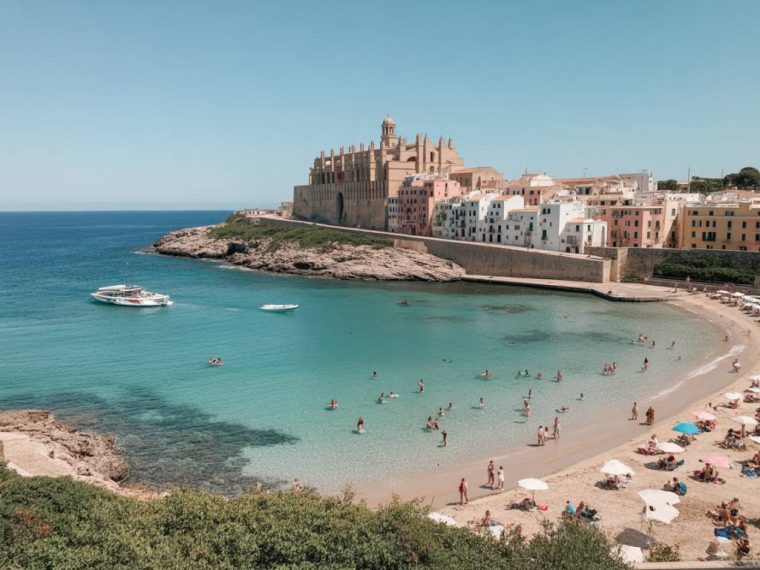
Whispers of Menorca: Escaping the Crowds and Finding the Island’s Hidden Soul
There’s something about Menorca that lingers on the skin long after the salt has dried. While her Balearic sisters—Mallorca and Ibiza—sing loudly with their luminous nightlife and crowded beaches, Menorca hums a gentler tune. The kind you hear with your eyes closed: almond blossoms rustling, the slow creak of a wooden shutter, laughter echoing in a cobbled square where tourists rarely set foot.
Most visitors flock to familiar coasts—Cala Galdana’s crescent perfection or the postcard appeal of Macarella. But if you seek the poetry of solitude and the raw beauty of silence, Menorca keeps her treasures reserved for the attentive few. Let me lead you down the winding paths, uninterrupted trails, and soul-stirring spots where the true spirit of this island can be felt—away from the crowds, closer to the heart.
Sleepy Villages Where Time Has Forgotten Its Name
Leave behind the main roads and take one of the narrow, fig-fringed lanes that wind like ribbons through Menorca’s countryside. Here, whitewashed villages seem to exhale centuries of peace with every siesta.
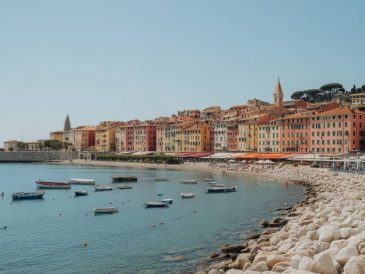
Fornells, nestled on the northern coast, dances between land and sea. Fishermen still push their boats into the morning tide, and the scent of lobster stew escapes from modest eateries where grandmothers stir recipes passed down like lullabies. Walk along the harbour in the early morning—when the fishermen’s boots leave wet marks on the stone—and you’ll witness a Menorca unfiltered.
Then there’s Es Migjorn Gran, a village blurred between sleep and wakefulness even at midday. Sit in its square with a café con leche, and watch the elderly men play dominos under the shade of a knotted fig tree. Everything is slower here. Everything just is.
The Camí de Cavalls: Tracing Solitude Along Ancient Paths
Stretching 185 km around the island, the Camí de Cavalls is not just a trail—it’s an emotional journey tracing the hem of Menorca’s ancient soul. Originally used by soldiers on horseback to defend the island, today it serves as a pilgrim’s path for those who thirst for authenticity and silence.
One of my favourite segments lies between Cala Pilar and Algaiarens. You’ll wander through rust-red earth, Aleppo pines twisted by Mediterranean winds, and wild rosemary whose scent clings to your skin like a benediction. Don’t be surprised if you walk for hours without crossing another soul. Only the buzz of cicadas, the whisper of your own breath. This is Menorca’s theatre of solitude.
Be sure to bring water, a sunhat, and curiosity. Many sections are entirely remote—blessedly so.
Uninhabited Coves With Only the Moon for Witness
Forget the crowded beaches where the sound of Bluetooth speakers competes with waves. Menorca’s magic pulses in untouched coves, accessible only by foot or boat.
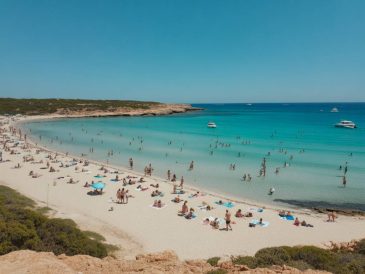
- Cala Escorxada: Accessible through a 45-minute hike from Santo Tomás, this precious inlet feels like a secret whispered only to those who listen. Its turquoise waters are framed by towering cliffs and satiny sands. You’ll hear your heartbeat more loudly than any human voice.
- Cala Rafalet: Hidden at the end of a rugged path through Mediterranean maquis near S’Algar, the cove is narrow, wild and utterly theatrical. Its turquoise throat winds inland, flanked by limestone walls streaked with moss. Bring goggles—the underwater ballet of fish is a silent miracle.
Come early, or late. Bring nothing but a towel and your own awe. There are no bars here, no loungers or signs. Just sea, stone, and story.
Rituals of Slow Living: Discovering Local Crafts and Traditions
In Menorca, tradition isn’t a performance—it’s a heartbeat. From its sturdy avarcas sandals, born for farmers and now subtly refined, to ceramics whose glazes reflect the pale greens and blues of the island sky.
Stop at El Paladar des Born in Mahón to taste sobrasada spread gently over country bread, or step into Binibeca Vell not just for photos, but for the hidden ceramics studio tucked behind the chapel, where glaze-stained hands craft bowls that hum with imperfection.
Visit a local farm—like Hort de Sant Patrici—and learn how Menorcan cheese (yes, the famed Mahón) is still made using ancestral methods. The pasture’s scent will cling to your shoes, and perhaps to your memories.
Soulful Sunsets Away from the Cliffside Crowds
Menorcan sunsets have a melancholy that is almost tangible. Perhaps it’s the quiet rush of gold over the sea, or the way shadows dare to stretch a little longer here.
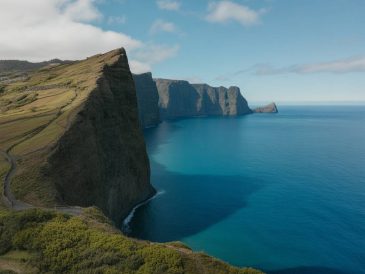
- Punta Nati: Located near Ciutadella, Punta Nati is a rugged, lunar landscape where an old lighthouse watches over the rocks. Come here at golden hour, and feel how the wind tells stories of ships, storms, and centuries passed. The cliffs burn orange before disappearing into blue silence.
- Monte Toro: At 358m, it’s the highest point of Menorca. On clear evenings, you can see both coasts cradling the island like hands in prayer. Locals sometimes come to the chapel here not for mass, but for gratitude—whispered beneath the fading sun.
Bring a bottle of local wine. Let time unravel slowly. You don’t have to say a word.
Intimate Bites: Where the Locals Go to Eat, Laugh and Remember
If there’s a language Menorca speaks fluently, it’s flavour. But you won’t find its truest dialect in bustling tourist spots. Instead, listen with your taste buds in humble eateries humming with stories.
- Ca n’Olga in Es Mercadal: Nestled beneath ivy and low beams, this restaurant surprises with a menu that celebrates the island’s earthiness—grilled vegetables, octopus tender as poetry, and desserts perfumed with lemon and nostalgia.
- Es Cranc in Fornells: No frills, just caldereta de langosta (lobster stew) that eats like a coastal lullaby. Order it slowly. Eat it slower.
- Mercat des Peix in Mahón: By day, local fishwives sell the day’s catch; by evening, pop-up tapas bars serve briny delights paired with laughter and chilled white wine under tangled lights. Come with no plan. Let your appetite lead you.
Finding Refuge in Menorca’s Wild Heart
For those who need the forest more than the Wi-Fi signal, the Albufera des Grau Natural Park is a lifeline. This sprawling biosphere reserve whispers with wind in the reeds, the flitter of butterflies, and the quiet confidence of a land that knows how to heal.
Take the coastal trail to Favàritx Lighthouse, where black slate shores meet a furious sea. The lighthouse itself is monastic—haunting even—but step beyond it and you’ll find a silence that enters the bones. Flamingos gather in the marshlands beyond. Their reflections in the brackish water seem almost too fragile to be true.
If you let it, Menorca will teach you how to be still. To listen. To remember what travel used to feel like—before hashtags and bucket lists stole the magic of discovery. This island doesn’t just invite exploration—it rewards reverence.
So wander. Wander far from the guidebooks, where dust covers your shoes and gratitude covers your soul. Menorca, tender and untamed, waits beyond the next whispering olive tree.