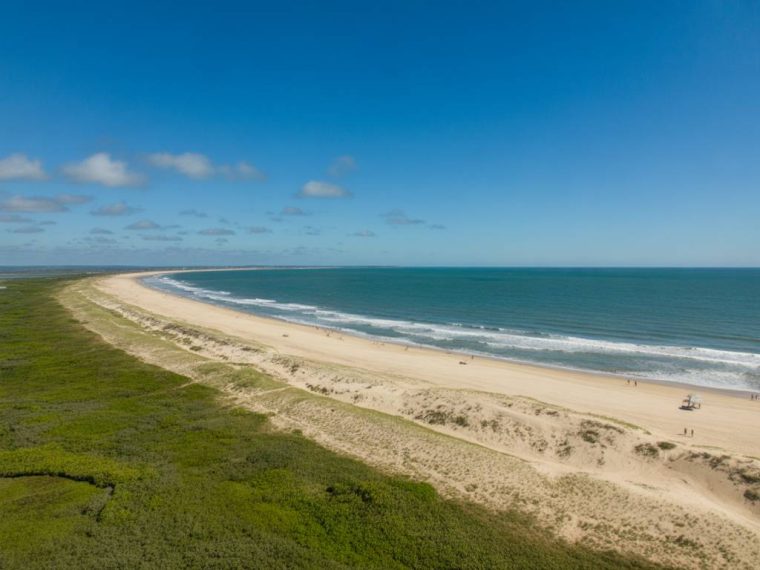
There’s a scent the wind carries in Icaraizinho. A briny whisper tangled with sun-warmed sand and the faint perfume of cashew trees. It rolls in from the Atlantic with the confidence of something ancient, gently tousling the fishing nets strung along the beach. And when it brushes your skin—salt-sweet and relentless—that’s when you understand: this isn’t just a place, it’s an invitation.
A coastal secret along Brazil’s northeast
Icaraizinho, short for Icaraí de Amontada, is tucked along Ceará’s wild Atlantic coast, about a three-hour drive northwest of Fortaleza. Officially, it’s just a small fishing village. Unofficially? It’s one of Brazil’s best-kept secrets—especially for wind-loving souls searching for untamed beaches and the thrill of the breeze at their back.
Unlike its famous cousins—crowded Jericoacoara or flashy Cumbuco—Icaraizinho hums at a slower rhythm. Palm trees bend in the wind’s choreography, kids laugh as they kick footballs through alleys of sand, and pastel-colored boats sway lazily in the turquoise bay. It feels like a place suspended in time, where the background noise is always the rush and rustle of nature herself.
A paradise for wind worshippers
In Icaraizinho, the wind isn’t a guest—it’s the local deity. From July to January, trade winds sweep across the coastline like clockwork, turning the village into a haven for kitesurfers and windsurfers. But this isn’t just any spot for water sports; it’s the kind of place where you can ride the wind beneath a sky set on fire by the setting sun, with miles of shoreline practically to yourself.
For beginners, the flat-water lagoon at the southern end of the beach offers ideal conditions. It’s sheltered from the waves and boasts steady wind speeds averaging 20 to 30 knots—gentle enough to learn, thrilling enough to aspire. Schools like WindJeri Icaraizinho and Club Ventos offer lessons, rentals, and that all-important post-session caipirinha.
Advanced riders will be tempted to push north, where the waves grow playful and the wind, wilder. Downwind enthusiasts can even plan epic coastal journeys connecting Icaraizinho with other kite spots like Jericoacoara further west. The best part? It’s all wrapped in soulful solitude, far from the crowds and commercial buzz.
Where beach meets soul
But even for those who couldn’t tell a kite from a keel, Icaraizinho has a magnetic calmness. Here, the beach isn’t a backdrop—it’s a sanctuary. Mornings are best spent barefoot, wandering the powdery white sand with nowhere to be and all day to be there. The tide paints reflective pools that mirror the sky, and fishermen cross the horizon in jangadas, their sails catching the early light like delicate wings.
As the sun reaches its zenith, hammocks and shade call your name. Don’t resist. Time moves differently here—fluid, forgiving. Long lunches unfold slowly in rustic beachside restaurants, where the grilled peixe do dia (local catch of the day) comes with rice, farofa, and fresh lime slices that taste of ocean mist.
Flavours that drift on ocean breezes
Icaraizinho may be small, but it boasts a surprising culinary soul. Everything here is sourced as nature intended: from the ocean or the fruit-laden trees that fringe the village. As you wander through the sleepy main street—just sand underfoot and the occasional dog napping in the shade—you’ll come across eateries with wooden signs and palm leaf roofs. Don’t let the simplicity fool you.
Some local highlights that deserve your tastebuds’ attention:
- Lagosta na manteiga: Lobster soaked in garlic butter, often served with cassava puree and a splash of lime. You’ll find versions of this in hidden gems like Hula Hula Bar or Bar da Praia.
- Moqueca Cearense: A regional variation of Brazil’s beloved fish stew, made with coconut milk, coriander and a touch of dendê oil that lends warmth and depth to every bite.
- Tapioca crepes: A street-food staple reinvented with tropical fillings—shredded coconut, banana, or soft cheese—perfect as beachside snacks under the shade of waving palms.
And let’s not forget the drinks. Evening breezes are best accompanied by something cold and citrusy. A passion fruit caipirinha, perhaps? Or maybe you’ll develop a newfound affection for cajuína, a golden beverage crafted from the cashew apple, unfermented and slightly sweet, like a gentle kiss from the tropics.
Encounters etched in sand and salt
What gives Icaraizinho its soul, more than wind or waves, is its people. Warmth here isn’t just in the climate—it’s in the smiles exchanged, the casual conversations between hammock swings, the laughter of children chasing crabs at dusk. On my second day, I met João, a local fisherman with sun-streaked skin and sea-glass eyes, who invited me onto his jangada at dawn. We sailed silently into the horizon while the sky shifted from cobalt to tangerine.
He spoke of the village, of tides and change. “The wind gives and takes,” he said simply. “Here, we learn to dance with it.” I understood then that living in Icaraizinho isn’t about resisting nature, but flowing with it. Just like the kites on the wind, or the tide that always comes home.
Eco-conscious stays in rustic elegance
Despite its growing popularity among windsport lovers, Icaraizinho has managed to maintain an eco-sensitive footprint. Boutique pousadas (guesthouses) blend into the landscape with thatched roofs and open-air designs, often powered by solar panels and consciously low-impact. Think boho charm with just the right touch of elegance.
Some favourites for the mindful traveller:
- Villa Mango: Perched among coconut palms, this intimate ecolodge marries sustainability with seductive sea views. Perfect for watching the pink hues of sunset from your hammock.
- Pousada Café Zapata: Lush gardens, organic breakfast spreads, and staff who greet you like family. Ask them about local excursions—they’ll point you toward dunes, rivers, and even hidden freshwater lagoons.
- Casa Zulu: Stylish yet unpretentious, and built on values of slow travel and community integration. Its in-house restaurant crafts dishes from ingredients grown just minutes away.
And the best part? The stars. With no city lights to compete, the night sky in Icaraizinho is an ocean of its own. Lie back, let the sound of waves lull your thoughts, and trace constellations across the celestial vault overhead.
Getting there (and staying a while)
Getting to Icaraizinho requires intention. From Fortaleza, a private transfer or rental car is the simplest route, though intrepid travellers can brave a combo of bus and motorbike taxis. The road ends at the village. From there, your journey shifts into a different kind of travel—one that has less to do with getting somewhere, and everything to do with being still.
Most visitors plan to stay three or four days—and end up extending their stay. After all, how do you walk away from a place where the calendar means less than the clouds, and where your alarm clock is birdsong tangled with wind chimes?
A quiet fire that lingers
I left Icaraizinho with the wind still in my hair and sand still clinging softly to my toes. And though I’ve since trodden mountain trails and city streets, part of me remains there: in the hush between gusts, in the glimmer of sails against a setting sun, in the rhythm of life that dances with the wind instead of against it.
So if your soul seeks salt, serenity, and a sky wide enough to carry your dreams—come. Let Icaraizinho find you. You’ll leave with more than just stories; you’ll leave with the wind written into your bones.