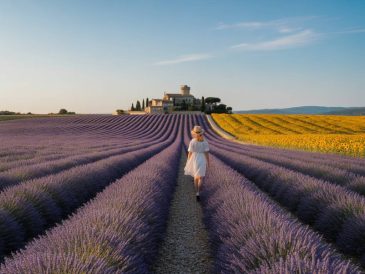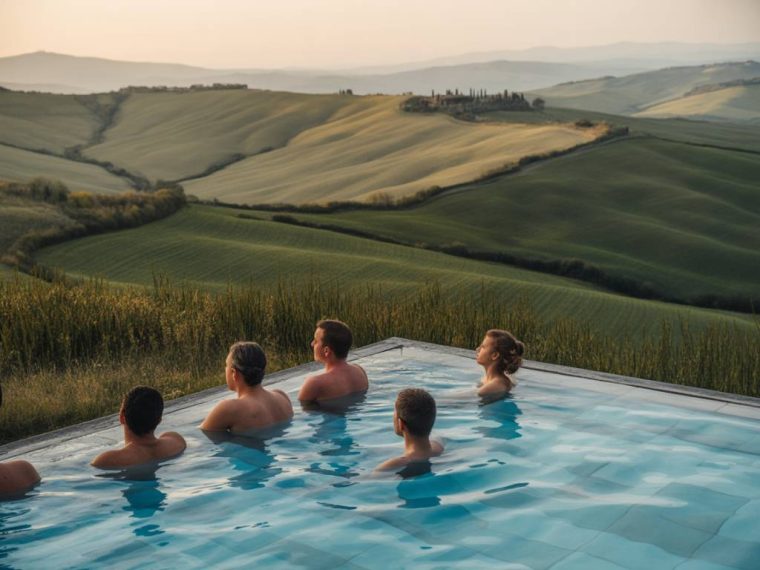
Tuscany is famous for its rolling golden hills, medieval villages, and world-class wine — but beneath all of that beauty, something even more ancient is at work. Geothermal springs have been bubbling up through the earth here for thousands of years, drawing everyone from Etruscan warriors to Renaissance popes in search of healing. Today, the hot springs of Italy’s Tuscany region offer some of the most extraordinary wellness experiences in Europe — many of them completely free. Whether you’re planning a dedicated spa retreat or simply want to soak your feet in a steaming natural pool at sunset, this guide covers the best spots for wellness and relaxation across the region.
Why Tuscany is one of Italy’s top hot spring destinations
Tuscany sits atop a highly active geothermal zone, particularly in its southern reaches — a fact that has made it a magnet for wellness tourism for millennia. The region boasts over 150 documented thermal sources, with water temperatures ranging from 37°C to over 55°C and mineral profiles rich in sulfur, calcium, magnesium, and bicarbonate. These minerals are credited with benefits ranging from improved circulation and skin health to relief from joint pain and respiratory issues.
Beyond the science, there’s something deeply restorative about immersing yourself in water that has travelled for decades through volcanic rock, arriving at the surface carrying the warmth of the earth itself. The hot springs Italy Tuscany offers are not just spa amenities — they are living geological features, shaped over centuries.
Hot springs Italy Tuscany: the best spots to visit
Saturnia – Cascate del Mulino
No thermal destination in Tuscany is more iconic than Saturnia, deep in the Maremma countryside near Grosseto. The Cascate del Mulino — a series of turquoise travertine pools fed by a continuous underground spring — hold a constant temperature of 37.5°C (99.5°F) year-round. The water tumbles naturally from pool to pool, creating a cascading effect that feels more like a scene from a dream than a real landscape.
- Access: Free and open 24/7 — no booking required
- Best time to visit: Sunrise or weekday mornings to avoid crowds
- Nearby upgrade: The Terme di Saturnia Spa & Golf Resort offers curated thermal circuits, mud treatments, and luxury accommodation for those wanting a more structured experience
Legend holds that Jupiter himself created these springs by hurling a thunderbolt into the earth. Whether or not you believe the myth, the result is undeniably spectacular.
Bagni San Filippo – the White Whale of Val d’Orcia
Set within the UNESCO-listed Val d’Orcia valley, Bagni San Filippo is one of Tuscany’s most visually striking thermal sites. Centuries of mineral-rich water flow have created dramatic white limestone formations cascading through the forest, the most famous of which is la Balena Bianca — « the White Whale » — a vast calcified waterfall that is genuinely unlike anything else in Italy.
- Water temperature: Approximately 48°C at the source, cooling naturally in the pools below
- Access: Free outdoor pools open year-round; a small paid spa is also available on-site
- Atmosphere: Ethereal in winter (thick steam, complete silence), lively in summer — arrive before 9am for the best experience
Bagno Vignoni – thermal history in a medieval piazza
The village of Bagno Vignoni, between Montalcino and Montepulciano, offers one of the most unique thermal experiences in all of Tuscany. At its centre sits a vast Renaissance pool — built over ancient Roman baths — from which steam still rises dramatically on cool mornings. Bathing in the piazza pool is no longer permitted, but the thermal waters flow freely through the Parco dei Mulini, a riverside park with natural basins open to bathers.
- Highlights: Medieval architecture, thermal mill ruins, exceptional local restaurants
- Recommended stay: Albergo Le Terme, a boutique hotel with direct access to a private thermal pool
- Wellness note: The water here is exceptionally rich in sulfur and calcium — long prized for skin and joint conditions
Petriolo – wild soaking on the Siena–Grosseto borderlands
For travellers who prefer their wellness raw and unfiltered, Terme di Petriolo delivers something truly special. Located along the Farma River between Siena and Grosseto, these natural springs spill directly into the riverbank, allowing bathers to alternate between hot sulfuric pools (around 43°C) and the bracing cold of the river itself.
- Access: Free natural pools at the riverside; a small paid facility is available for those wanting changing rooms and facilities
- Best for: Adventurous travellers, off-the-beaten-path seekers, contrast therapy enthusiasts
- Practical tip: Visit midweek — weekends draw local crowds, especially in summer
San Casciano dei Bagni – Tuscany’s best-kept thermal secret
With over 40 thermal springs and water that reaches up to 42°C, San Casciano dei Bagni in southeastern Tuscany is quietly one of the most mineral-rich thermal destinations in the entire country. It rivals Saturnia in water quality but sees far fewer visitors — a rare combination in Italy.
- Luxury option: Fonteverde Spa, housed within a stunning 17th-century Medici villa, offers thermal pools, thalassotherapy, and Ayurvedic treatments
- Free option: Natural pools accessible via footpaths just outside the village
- Recent discovery: In 2022, archaeologists uncovered 24 bronze statues dating to the 2nd century BC near the springs — confirming this site’s sacred status across millennia
Chianciano Terme – classic wellness with an art deco soul
Once a favoured escape for Roman emperors and later a symbol of Italy’s post-war dolce vita, Chianciano Terme is a polished spa town near Siena with a distinctly classic feel. Grand hotels, tree-lined promenades, and established thermal institutes define its character.
- Signature experience: Terme Sensoriali, a multi-sensory spa circuit combining thermal pools, steam rooms, salt caves, and hydrotherapy
- Water profile: Particularly noted for its liver and digestive benefits — drinking cures are still practiced here
- Best for: Travellers who prefer structured, hotel-based wellness with easy access to restaurants and cultural sites
Practical tips for visiting the hot springs of Tuscany
- Timing matters: Early morning visits (before 9am) at popular sites like Saturnia and Bagni San Filippo offer quieter, more atmospheric experiences — especially in the cooler months when steam is thickest.
- What to bring: A microfiber towel, two swimsuits (one to wear, one to dry), water shoes for rocky natural pools, and a waterproof bag for your valuables.
- Respect natural sites: Avoid soaps, shampoos, and perfumes in free natural pools — these ecosystems are fragile, and their preservation depends on responsible visitors.
- Combine sites strategically: Saturnia and Petriolo can be combined in a single day trip from Siena or Grosseto. San Casciano dei Bagni pairs well with a visit to Bagno Vignoni.
- Year-round destination: Unlike beach tourism, Tuscany’s thermal springs are best enjoyed in autumn, winter, and spring — the contrast between cold air and steaming water is magical, and crowds are minimal.
Planning your Tuscany thermal wellness trip
The hot springs of Italy’s Tuscany region are spread across a wide geographic area, so a little planning goes a long way. Southern Tuscany — particularly the triangle between Grosseto, Siena, and the Umbrian border — is the thermal heartland, and it’s worth dedicating at least three to four days to exploring it properly. Base yourself in a town like Montalcino, Pitigliano, or Manciano for easy access to multiple springs without rushing.
For those combining wellness with culture, the Val d’Orcia area offers unbeatable scenery alongside Bagni San Filippo and Bagno Vignoni, while wine lovers will appreciate the proximity to Brunello and Montepulciano vineyards. Tuscany’s thermal springs are not a side attraction — they are a destination in their own right, rooted in thousands of years of human history and geological wonder.
Come with time to spare, leave your schedule loose, and let the steam show you the way.