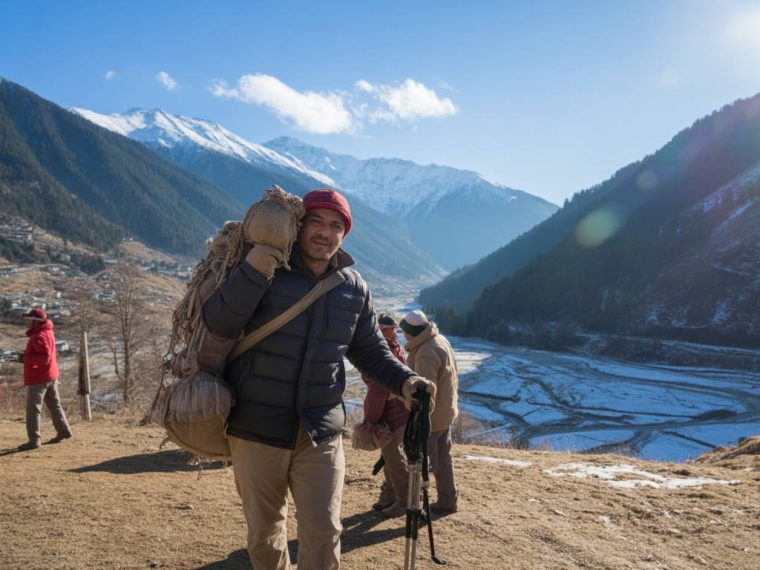
Kullu and Manali sit at the crossroads of everything the Himalayas promise — deep snow, ancient trails, thundering rivers and festivals that have been celebrated for centuries. But this region doesn’t offer one face to every visitor. It offers four completely different worlds, one per season. Knowing the best time to visit Kullu Manali for snow, trekking and cultural festivals isn’t just practical advice — it’s the difference between a forgettable trip and a journey that changes your relationship with the mountains entirely.
Best time to visit Kullu Manali for snow: December to February
If snowfall is your priority, the window between late December and February is unbeatable. Manali receives heavy snowfall during this period, with temperatures regularly dropping to -10°C to -15°C in higher areas like Solang Valley and Rohtang Pass. The town itself transforms — rooftops turn white overnight, the Beas River slows under a crust of ice, and Old Manali takes on the feel of a mountain village from another era.
Top snow experiences in winter
- Solang Valley — the region’s main hub for snow sports, including skiing, snowboarding and snowmobiling. Beginners and experienced skiers both find suitable slopes here.
- Rohtang Pass — accessible on select days even in winter with permits; expect breathtaking, near-Arctic landscapes at 3,978 metres above sea level.
- Snow trekking around Manali town — short trails through snow-covered deodar forests offer a quieter alternative to crowded resorts.
Winter is also peak honeymoon season, so book your accommodation at least 4–6 weeks in advance. Pack serious layered clothing — thermal base layers, fleece mid-layers and a waterproof outer shell are non-negotiable. Always check road conditions before planning a drive toward Rohtang, as closures happen frequently and without warning.
Best time to visit Kullu Manali for trekking: March to June
Spring and early summer represent the most versatile window for outdoor exploration. From March through June, snow begins to retreat, apple orchards burst into bloom across the Kullu Valley, and the trail network around Manali reopens progressively. Daytime temperatures settle between 10°C and 25°C, making long days on the mountain comfortable and rewarding.
Top trekking routes open during this season
- Beas Kund Trek (3,540 m) — a 3-day beginner-friendly trek following the Beas River to its glacial source, passing through high-altitude meadows and moraines.
- Hampta Pass Trek (4,270 m) — a 4–5 day moderate trek crossing from the green Kullu Valley into the stark, desert-like landscape of Lahaul. One of the most dramatic contrasts in Himalayan trekking.
- Chandrakhani Pass Trek (3,660 m) — a rewarding 3-day route starting from Naggar, with panoramic views of the Kullu Valley and the Deo Tibba peak.
- Bhrigu Lake Trek (4,300 m) — accessible from mid-May, this 3-day circuit takes you to a sacred alpine lake that remains partially frozen well into summer.
Rohtang Pass typically reopens for vehicles in late May, making the drive to Lahaul and Spiti possible for the first time since winter. Always hire a certified local guide for high-altitude routes and acclimatise for at least one full day in Manali before ascending steeply. Carry at least 3 litres of water per trekking day — altitude dehydration is subtle but serious.
Best time to visit Kullu Manali for cultural festivals: September to November
After the monsoon clears in early September, the Kullu Valley enters its most culturally vibrant phase. The air is clean, the skies are a deep, consistent blue, and temperatures hover between 10°C and 20°C — ideal conditions for outdoor celebrations. This is when the region’s spiritual and folkloric traditions come fully to life.
Kullu Dussehra: the festival that defines the valley
Kullu Dussehra, declared an International Festival by the Government of India, takes place in late September or October (dates shift annually based on the Hindu lunar calendar). Unlike the single-day Dussehra observed across most of India, Kullu’s celebration spans a full week at the Dhalpur Maidan and is unlike anything else in the Himalayas.
- Over 200 local deities are brought down from surrounding villages in ceremonial palanquins (raths) to pay tribute to Lord Raghunath.
- Folk dances, traditional music with dhol and nagara drums, and vibrant processions fill the valley every day of the festival.
- Local handicrafts, Kullu shawls and traditional foods are sold by artisans from across Himachal Pradesh.
Staying in a local homestay during Dussehra is strongly recommended — hosts often have direct family ties to festival traditions and can offer context and access that hotels simply cannot. Dress modestly when attending temple processions and always ask permission before photographing rituals.
Other cultural highlights in autumn
- Hadimba Devi Temple festivals — regular rituals at this iconic pagoda-style temple in Manali attract devotees from across the region.
- Fagli Festival (February/March in some years) — a mask-wearing carnival celebrating the victory of good over evil, unique to this Himalayan belt.
- Harvest season in Kullu Valley — October brings apple and walnut harvests; village markets overflow with local produce and crafts.
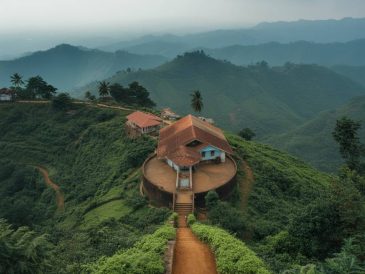
Monsoon in Kullu Manali: July to August
The monsoon season, running from mid-July to early September, is the least recommended window for most travellers. Rainfall is heavy, landslides are frequent on NH-3 and NH-21, and several high-altitude routes become inaccessible for days at a time. However, it does have its niche appeal.
- The valleys turn an intense, almost surreal green — a photographer’s paradise on clear mornings between rain spells.
- Tourist numbers drop sharply, meaning lower accommodation prices and a more authentic, unhurried atmosphere in town.
- River levels peak, making white-water rafting on the Beas near Kullu genuinely thrilling (though weather-dependent).
If you choose to visit during monsoon, monitor the Himachal Pradesh Road & Traffic Authority updates daily, carry full waterproof gear, and avoid venturing toward Rohtang or Spiti entirely. Travel insurance covering weather disruption is essential.
Quick seasonal comparison for planning your trip
- December – February: Best for snow, skiing and winter landscapes. Cold, romantic, busy with honeymooners. Book early.
- March – June: Best for trekking, road trips and blooming valleys. Ideal weather, widest trail access. Most popular overall season.
- September – November: Best for cultural festivals, clear skies and post-monsoon freshness. Perfect for the culturally curious traveller.
- July – August: Suited only to flexible, risk-tolerant travellers. Lush but logistically challenging.
The best time to visit Kullu Manali for snow, trekking and cultural festivals ultimately depends on what draws you to the mountains in the first place. The Himalayas here don’t ask you to choose one experience — they ask you to choose the one that resonates most deeply with who you are right now. Plan around that, and the mountains will do the rest.